
2026 Top Sponge Door Seals for Global Buyers?
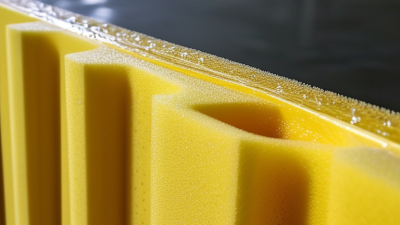
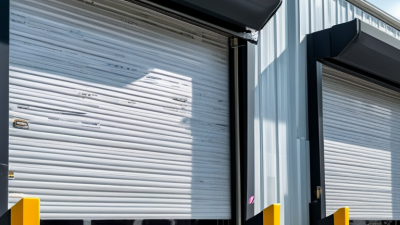
When it comes to buying for global markets, folks often think a soft seal and a cheap price are enough. But honestly, a reliable Sponge Door Seal needs to tick a lot of boxes — matching the door gap, the closing force needed, weather conditions, and how it’s installed. Small differences really do matter. For example, a seal that looks chunky might still lose its shape after being compressed repeatedly. Or, if the adhesive isn’t great, it could lift at the corners, and guess what — water can sneak right in without making much noise. John M. Klosowski, a seasoned sealing engineer, once said, “A seal is only reliable when its compression, surface, and environment are understood together.” And honestly, that’s something buyers should pay attention to. It’s important to compare materials like EPDM, neoprene, silicone, and polyurethane sponges. You should also look into density, how well it recovers after compression (called compression set), the temperature limits, how it reacts to flames, and its resistance to ozone or moisture. Don’t forget to ask for test reports, sample pieces, and clear info on tolerances. The experience of your supplier matters quite a lot here, along with honest, straightforward documentation. Remember, fit is king. Whether you’re working with factories, trucks, cold storage rooms, cabinets, or commercial doors — there’s hardly a one-size-fits-all solution. Different applications might call for a bulb seal, foam tape, or a self-adhesive strip. Always measure the gap at multiple points — don’t just go by the center — and check that the backing adhesive sticks well to painted metal, aluminum, wood, or plastic. And don’t forget to make sure the cartons are well protected before they’re shipped out because lightweight products can deform pretty easily during long trips. This guide for 2026 dives into some of the top Sponge Door Seal options for buyers around the world. It looks at factors like material quality, sealing effectiveness, customization options, manufacturing consistency, certifications, lead times, and after-sales support. Now, I’ll admit, not all ranking lists are perfect — some data from suppliers isn’t exactly apples-to-apples, and that can be a bit frustrating. Plus, real-world performance often depends on weather, how well the door is aligned, and the installer’s skill. The cheapest option isn’t always the best; the most dependable one is the one that keeps working well after months of use, withstanding dust, rain, pressure, and constant opening and closing.
Read more »