
How Meticulous Must an “Environmental Gatekeeper” Be in a Cleanroom?
Material Selection Is the First Requirement
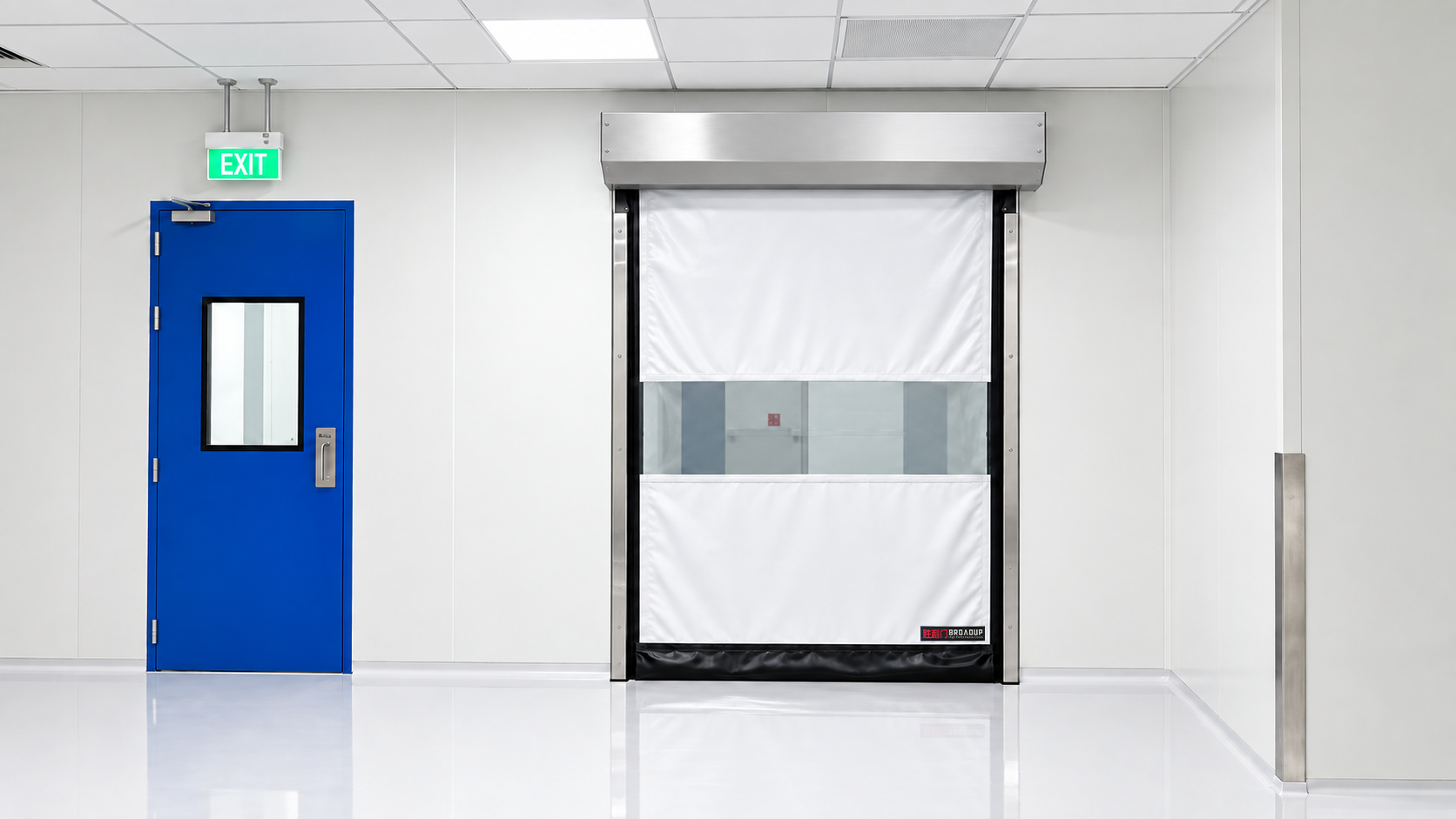
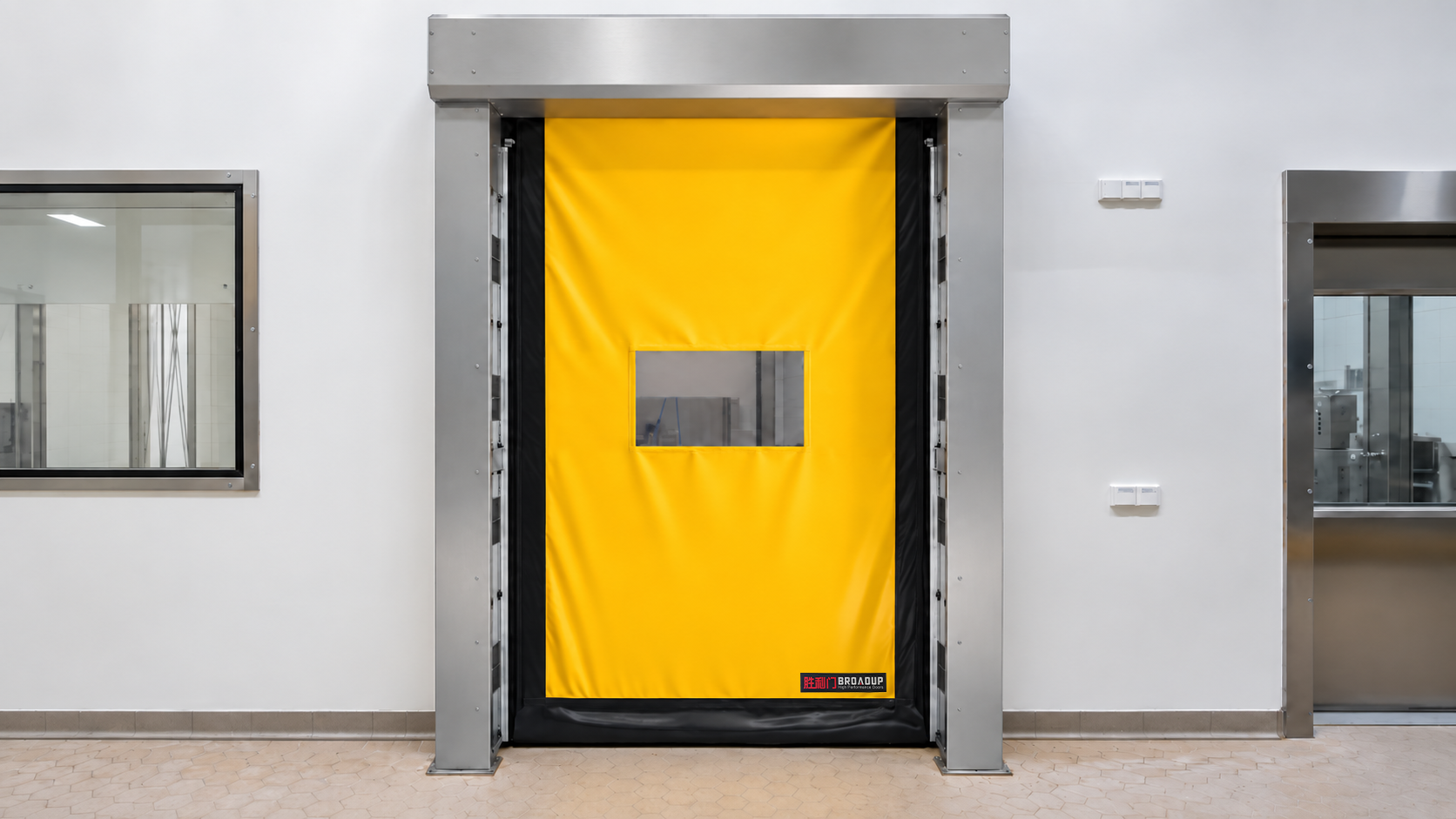
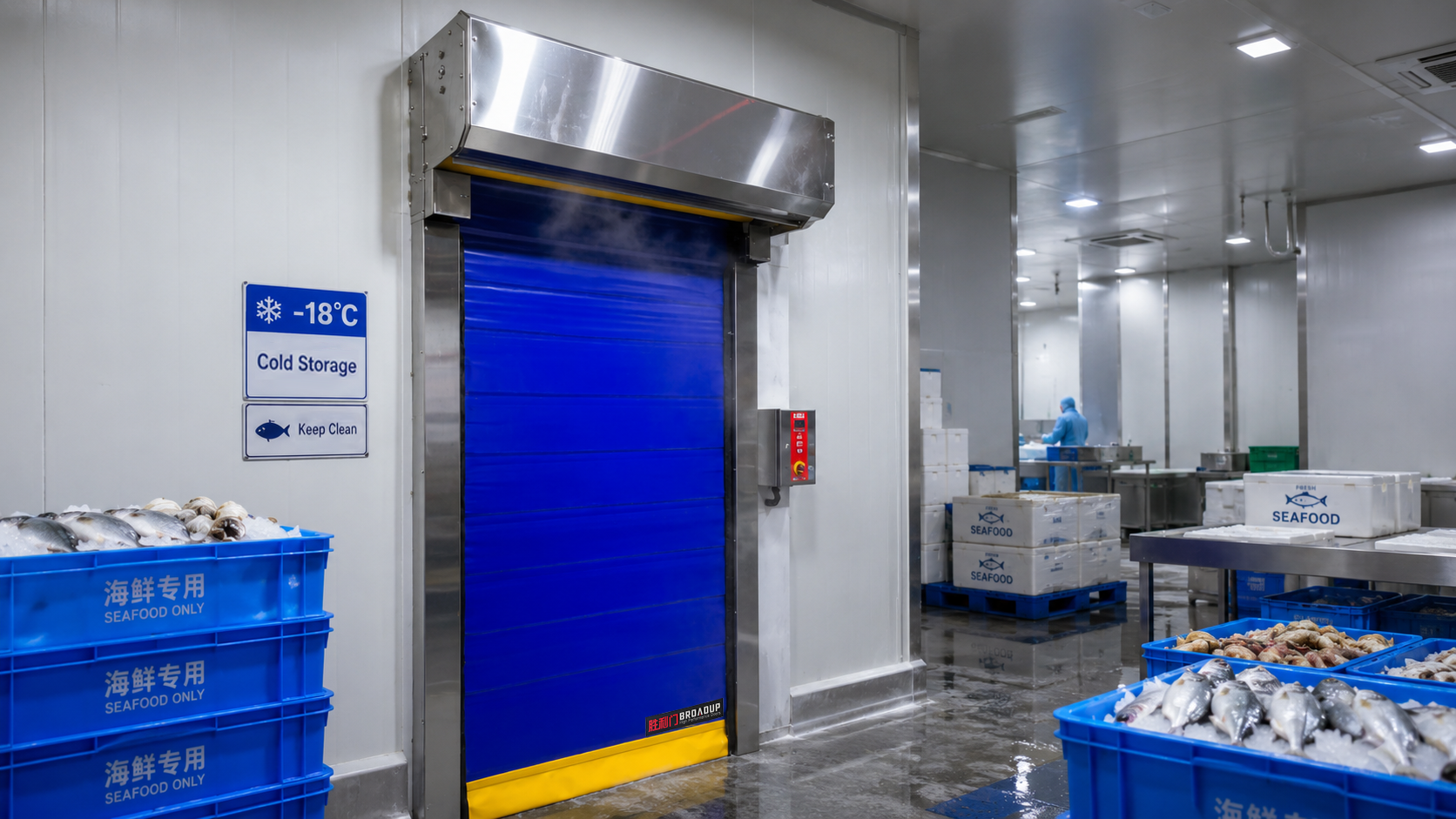
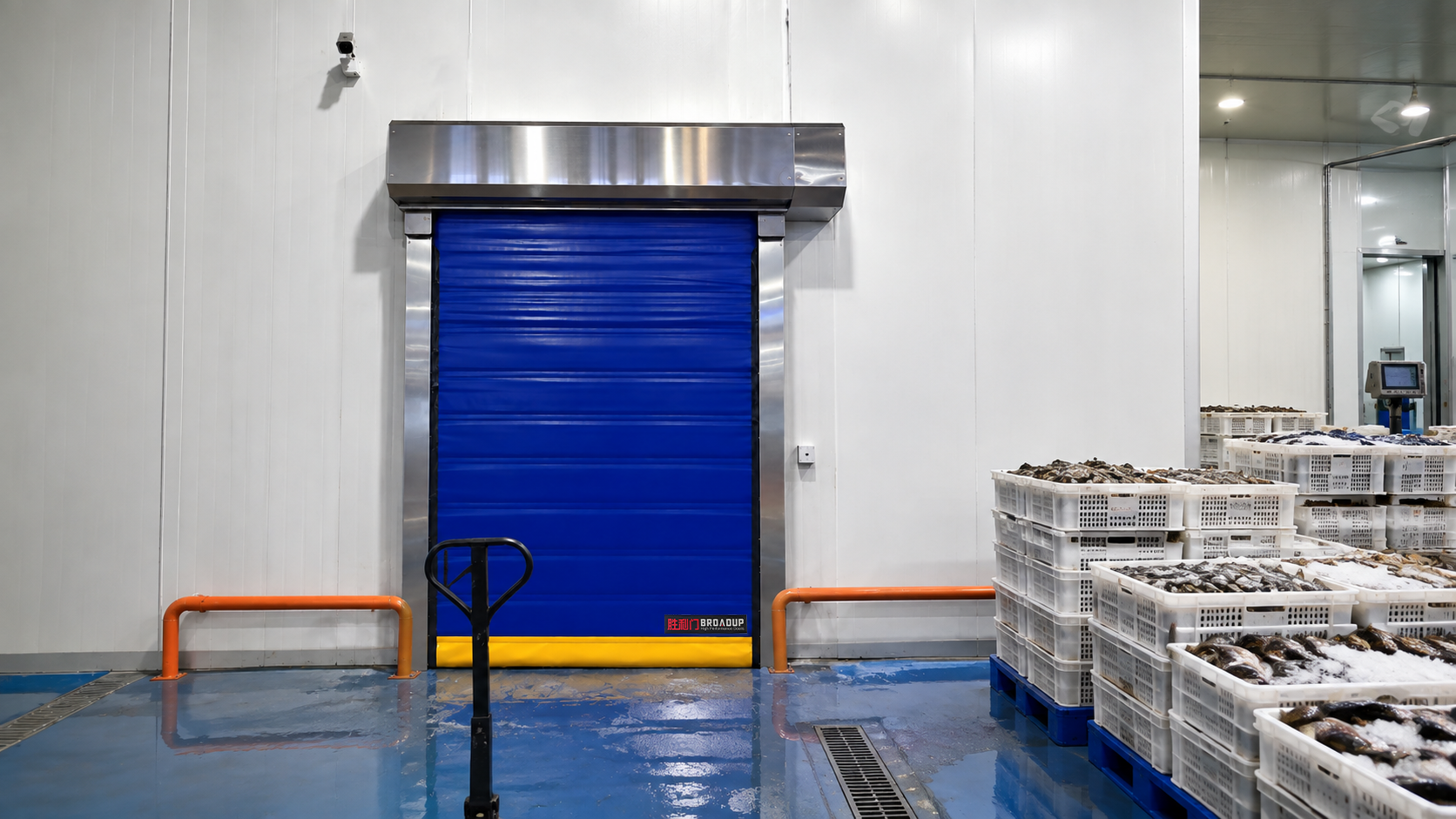
Ordinary wooden doors can absorb moisture and develop mold, while conventional metal doors may rust and shed particles—both are unacceptable in cleanroom environments. cleanroom doors are commonly made from 304 stainless steel or food-grade PVC. The former is corrosion-resistant, easy to clean, and less likely to shed metal particles, while the latter provides excellent sealing performance and is odor-free, making it ideal for the pharmaceutical and food industries.
Sealing Performance Directly Affects Cleanroom Classification
The primary purpose of a cleanroom is to isolate contaminants, making the seals between the door, door frame, and floor especially important. Victory Cleanroom Doors use high-quality silicone sealing strips to create a negative-pressure seal that automatically closes gaps when the door shuts. An airtight bottom seal prevents contact with the floor while also blocking dust carried by airflow.
For higher-grade cleanrooms, an air curtain system can also be installed inside the door frame. The moment the door opens, it releases a stream of clean air to form an “air barrier,” helping prevent external contaminants from entering.
Contactless Operation Brings Intelligence to Contamination Control
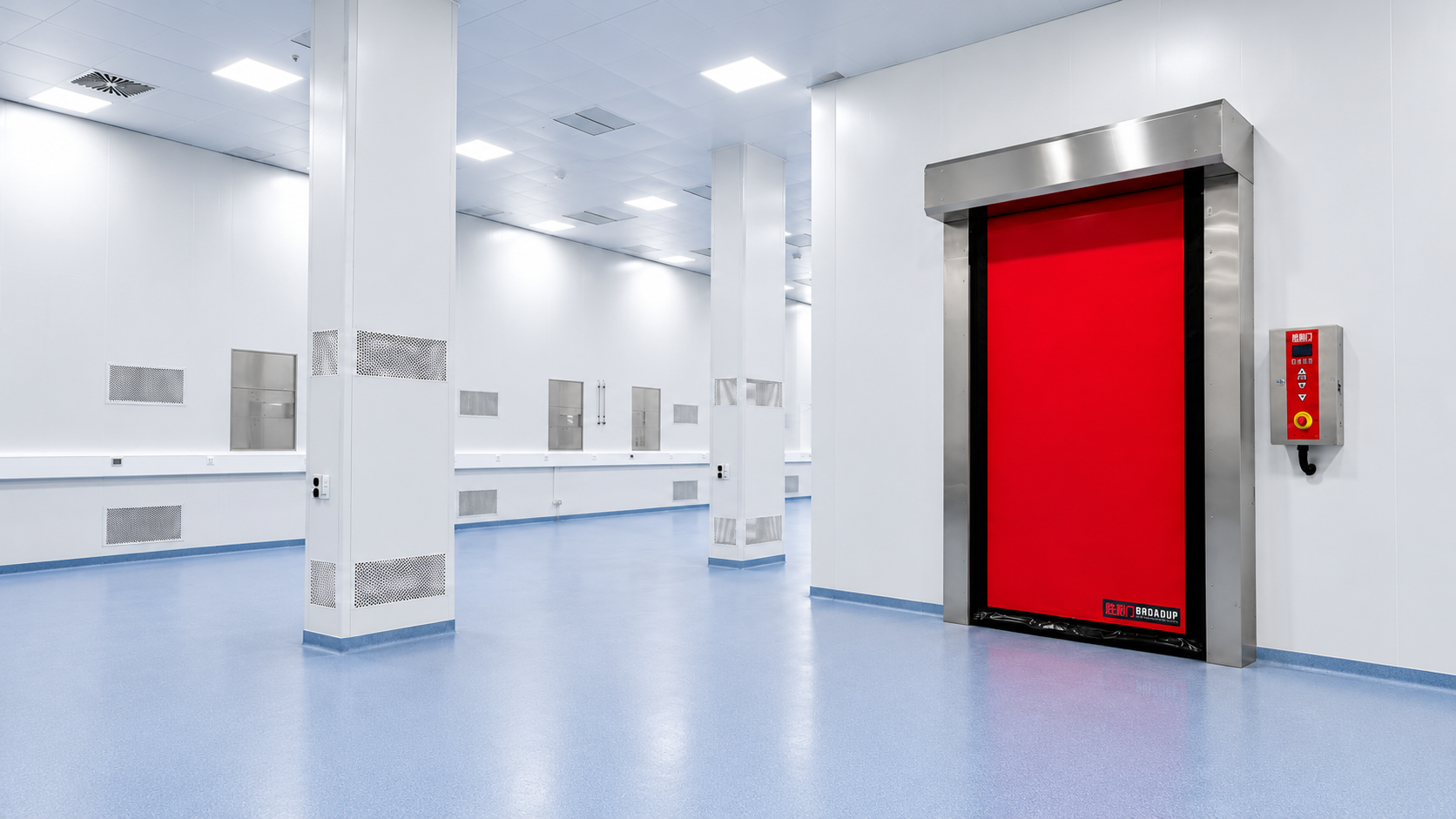
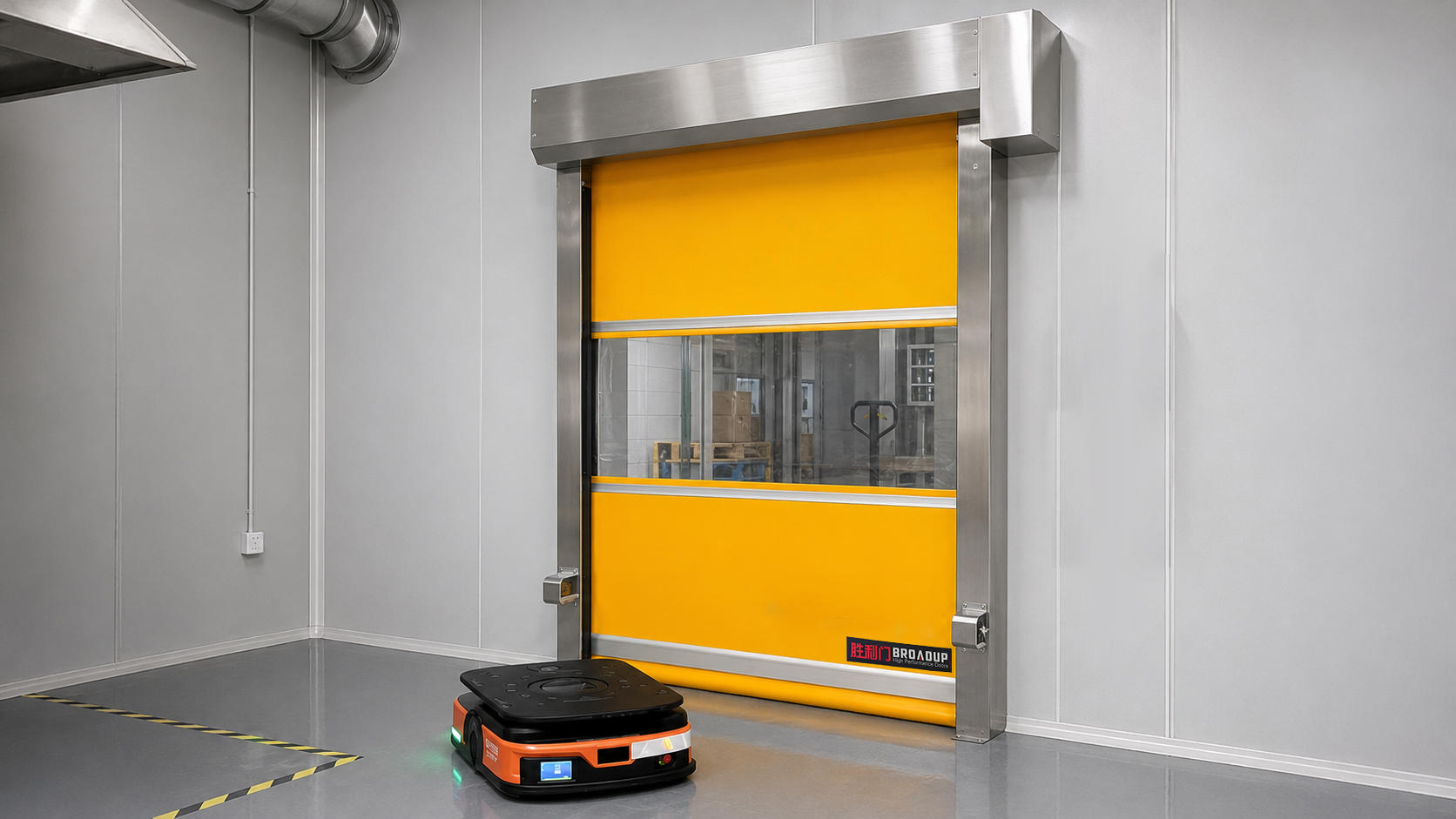
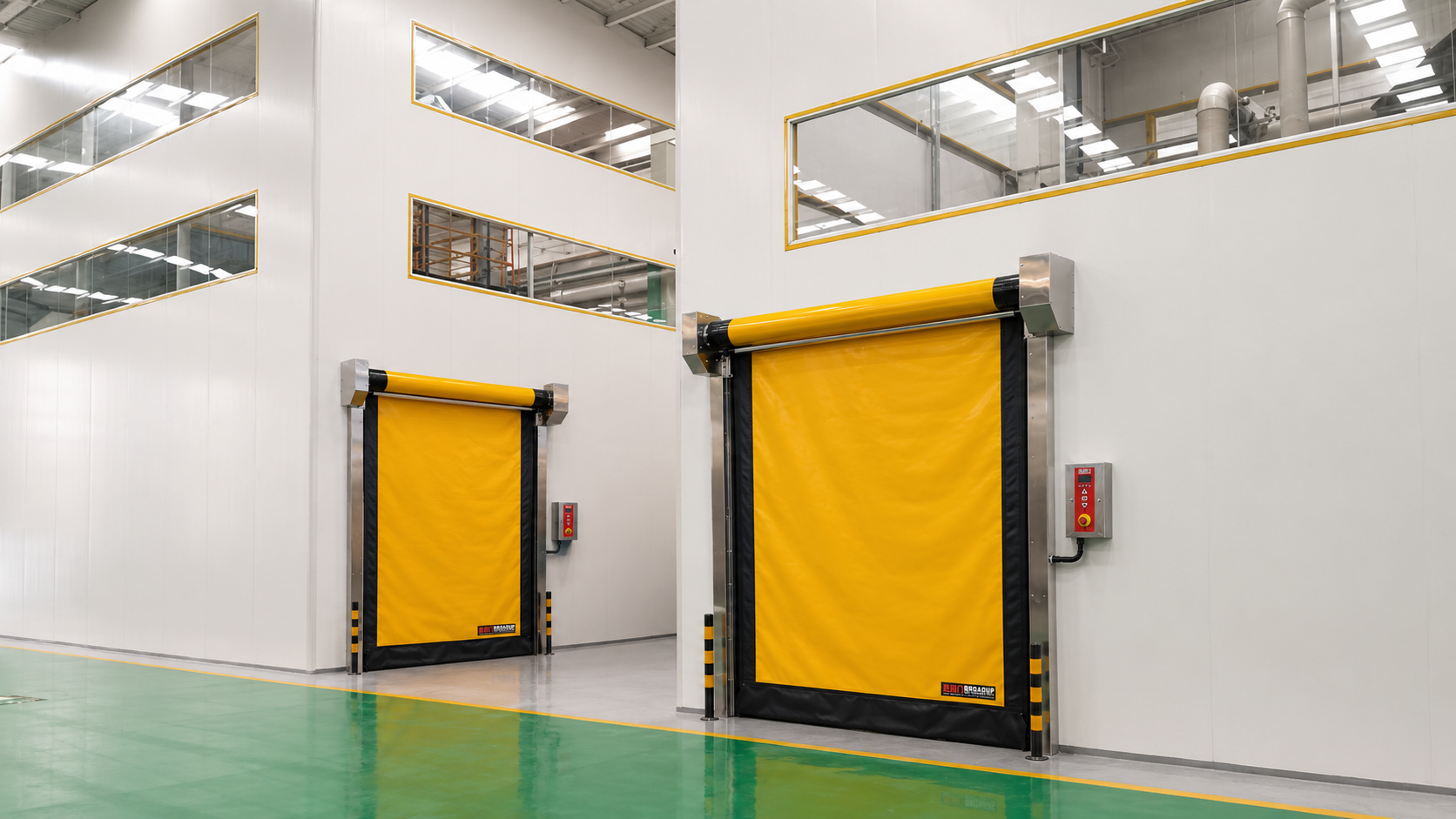
Traditional door buttons can easily become breeding grounds for bacteria. For this reason, cleanroom doors often use contactless activation technologies, including infrared, microwave, and magnetic induction sensors, allowing personnel to open the door without touching it.
In facilities with frequent traffic, opening speeds can reach up to 2.0 meters per second. This minimizes the amount of time the door remains open and reduces the risk of contamination caused by air exchange.
In specialized environments such as biosafety laboratories, doors can also be equipped with an interlocking system that prevents two doors from opening simultaneously, helping eliminate cross-contamination at its source.
Thoughtful Details Ensure Long-Term Cleanliness and Stability
The roller cover can feature a sloped design to prevent dust accumulation, while the overall structure can be designed without exposed holes to eliminate places where microorganisms could hide. Even the joints between curtain sections can be seamlessly welded, leaving no hard-to-clean areas.
In electronics facilities where static electricity is a concern, cleanroom doors must also provide antistatic protection. Their surface resistance is strictly controlled within the range of 10⁶–10⁹ Ω, helping prevent dust from being attracted by static electricity and protecting sensitive chips from damage.
Some may ask, “It’s only a door—does it really require this much attention?” The answer is yes.
In pharmaceutical production, even a trace of dust can compromise product quality. In semiconductor manufacturing, a single particle can render a chip unusable.
Every carefully considered feature of a cleanroom door helps safeguard production safety and product quality, serving as the final line of defense.
What may appear to be simply a door is, in fact, one of the most rigorous expressions of what “cleanliness” truly means.