


High-Speed Doors Provide Efficient Environmental Protection for Clean Industrial Production
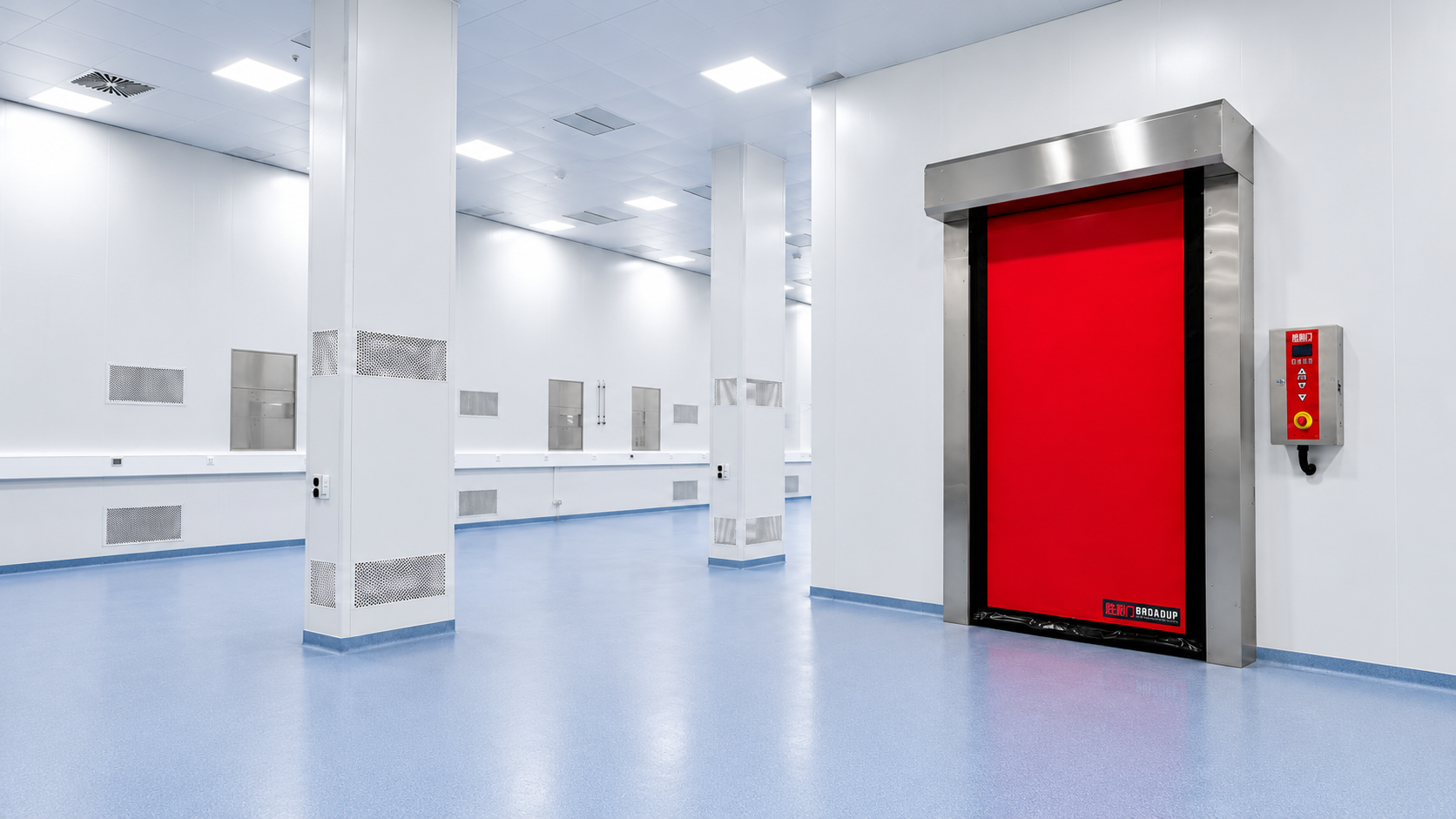
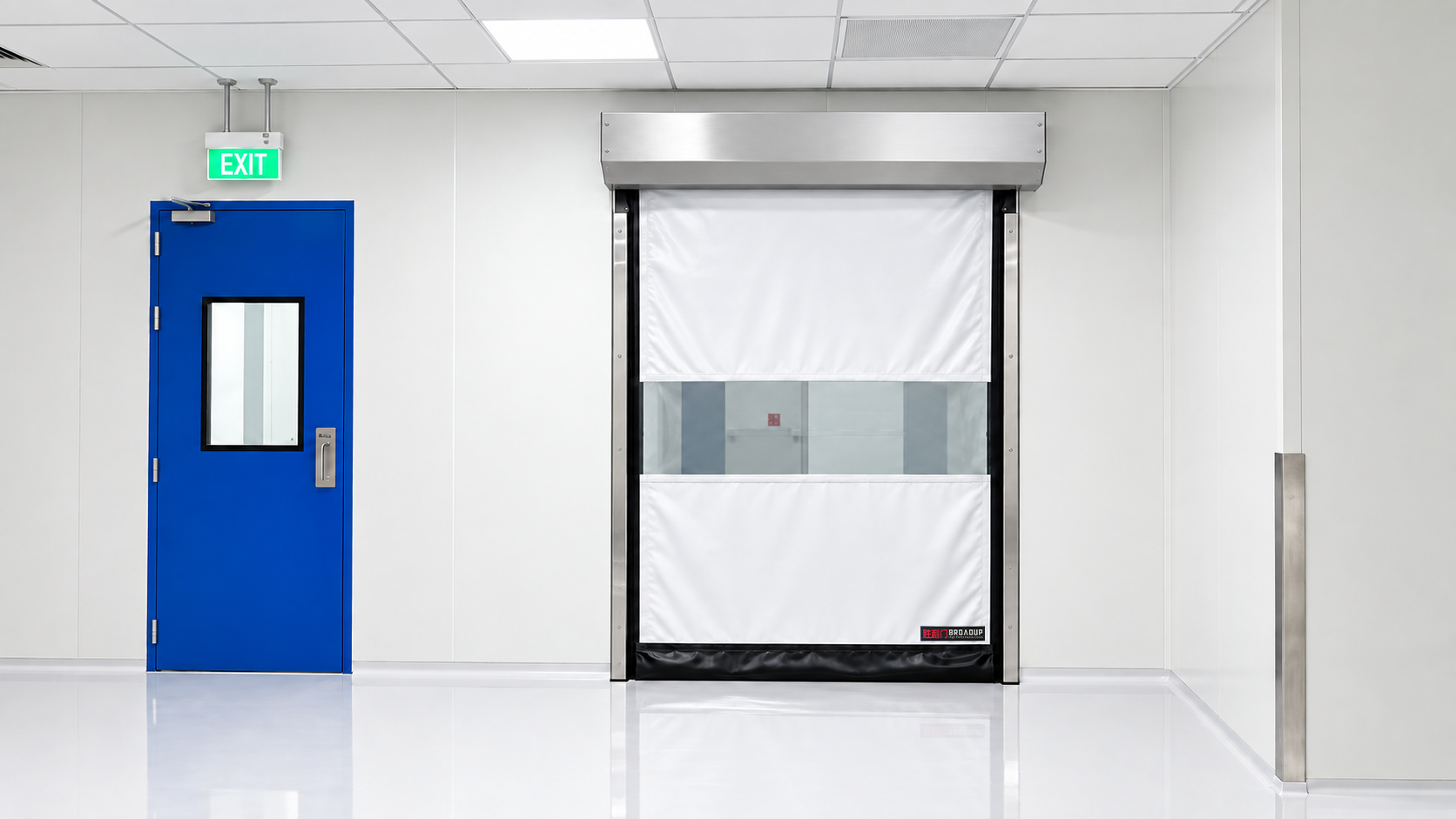
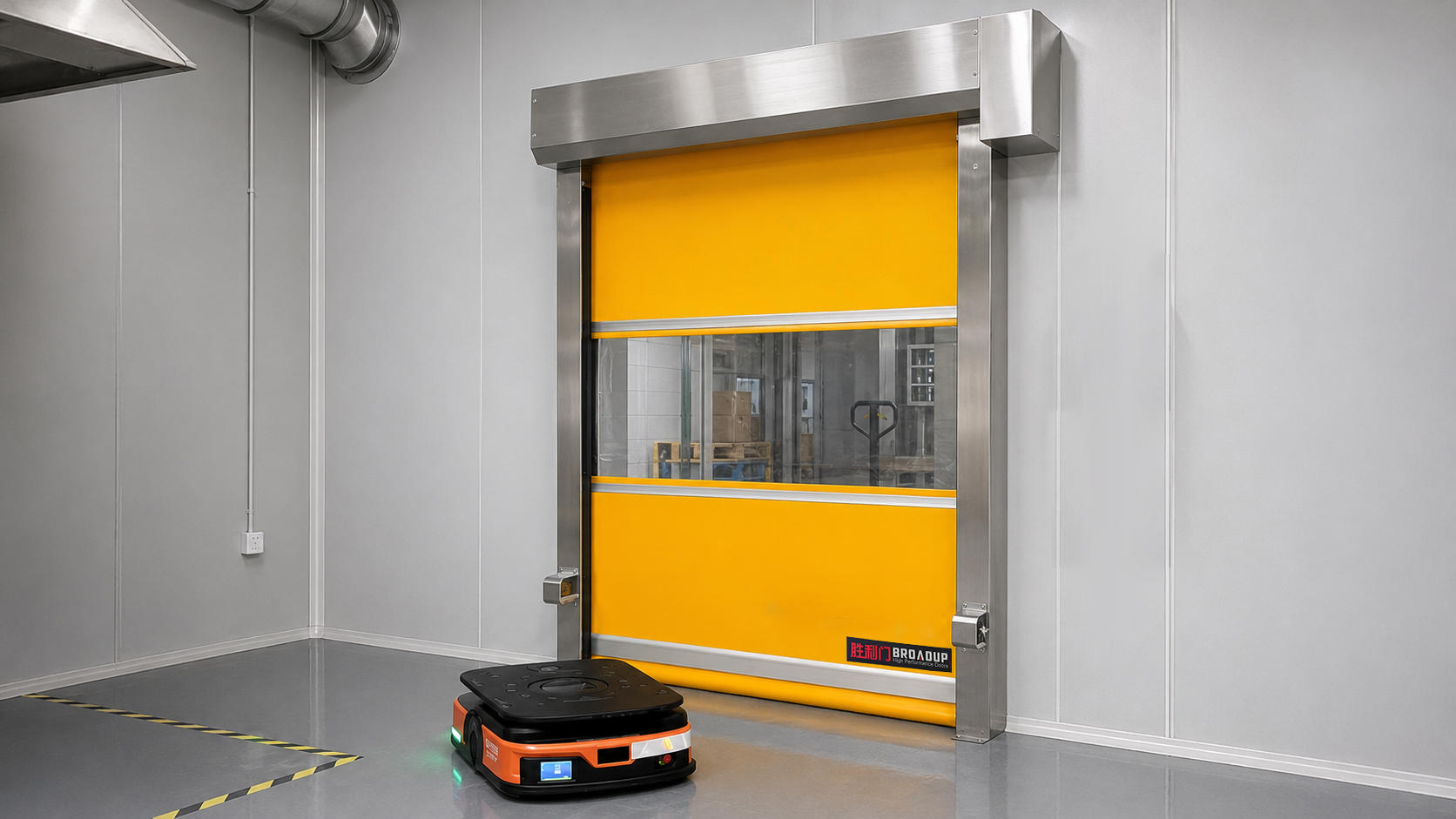
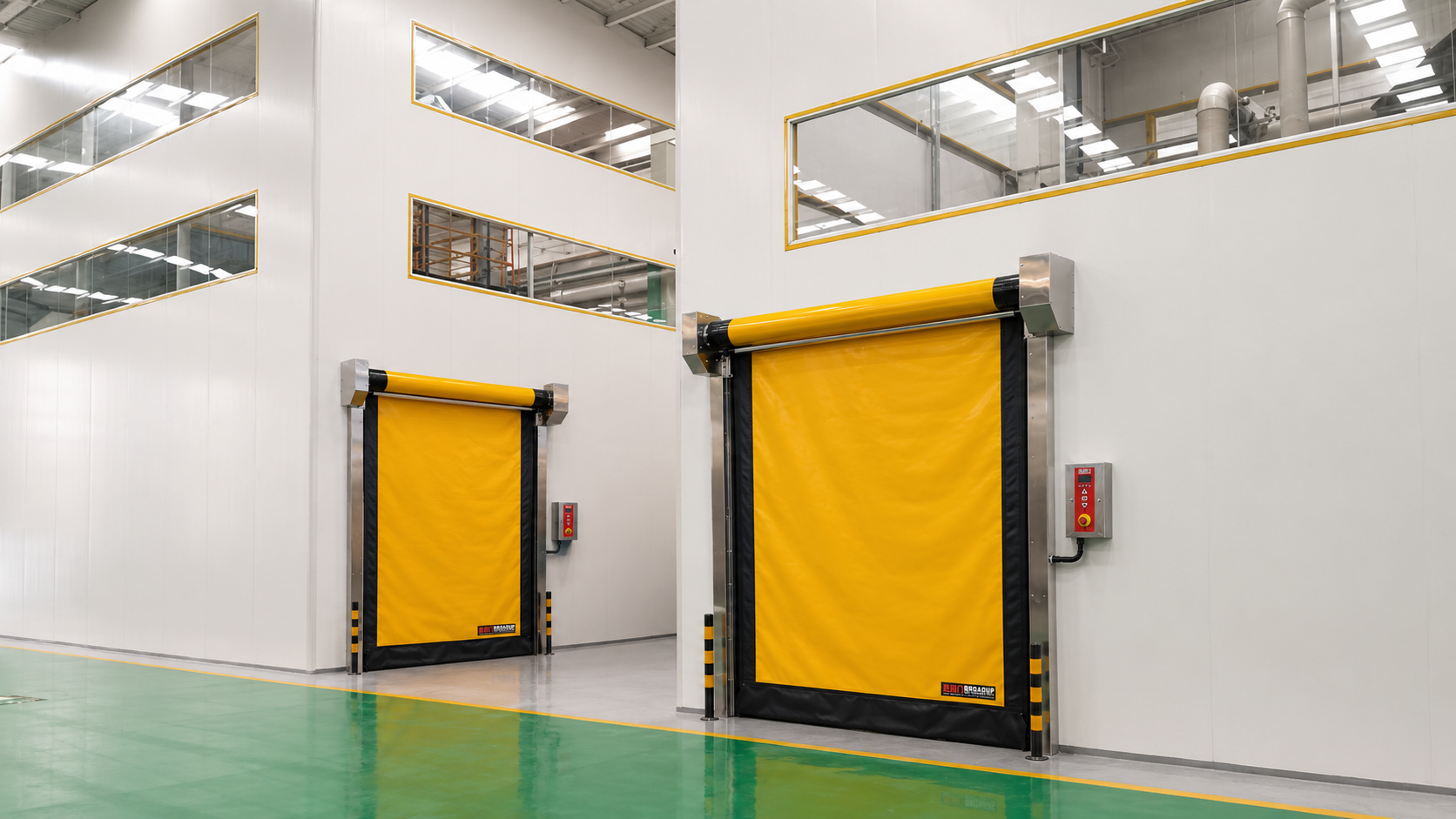
High-speed doors provide efficient environmental protection in clean industrial production through the following mechanisms, meeting stringent requirements for cleanliness, temperature and humidity control, and contamination prevention.
Rapid Opening and Closing to Minimize Contaminant Exchange
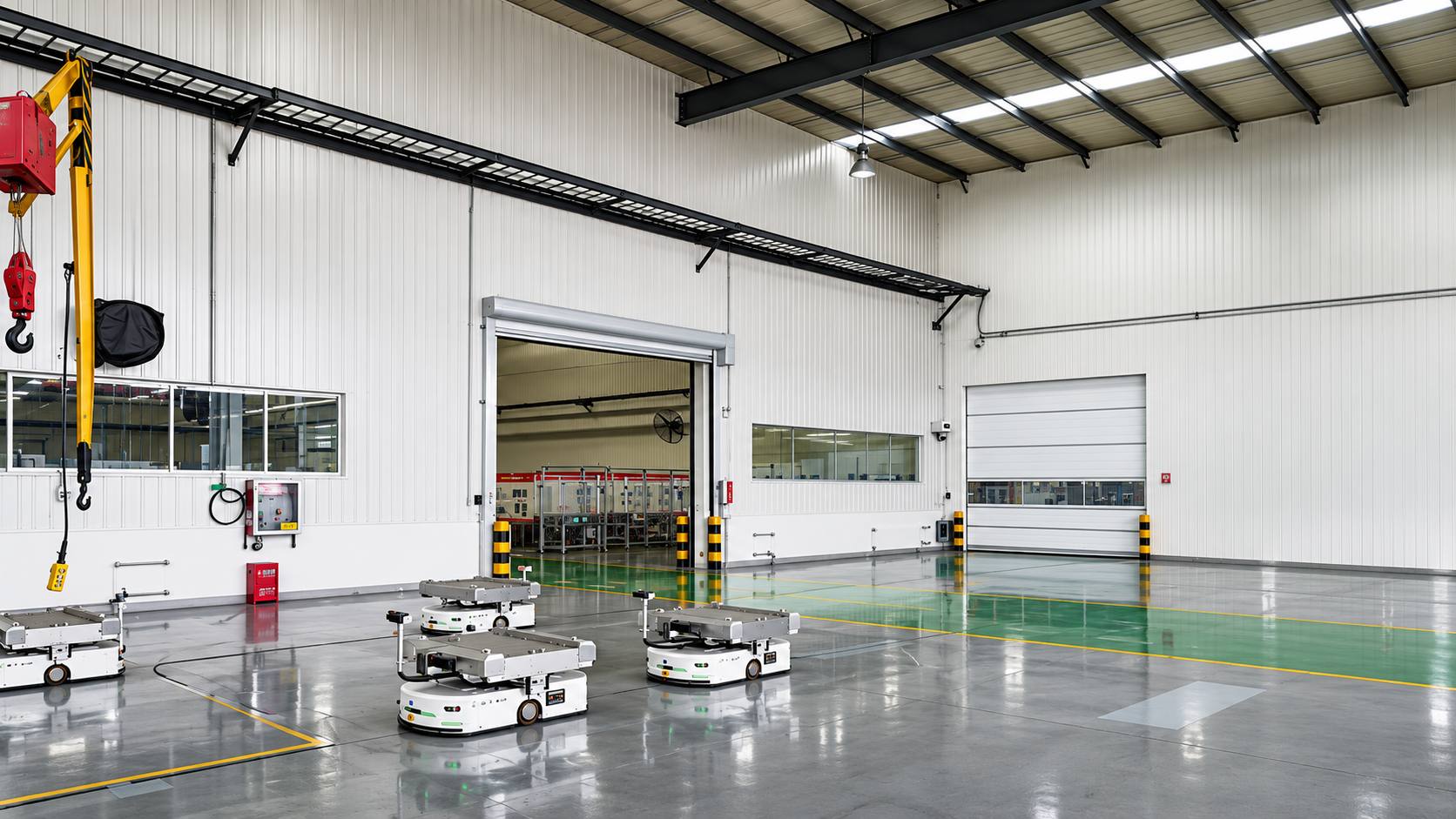
High-speed operation: With an opening and closing speed of 1–2 meters per second, the door can be fully opened in just 2–3 seconds. At frequently used logistics entrances, for example, this reduces the time the doorway remains open by 90% compared with conventional doors.
Differential pressure maintenance: In environments with a pressure differential of approximately 10 Pa, rapid closing can prevent more than 30% of differential pressure loss while blocking the intrusion of outdoor PM2.5 particles and microorganisms.
Multi-Layer Sealing Technology
Airtight structure: U-shaped side guides and a bottom airbag seal provide an airtightness rate of 99.5%. When combined with magnetic sealing strips, the system can block particles measuring 0.5 μm or larger.
Material properties: The food-grade PVC curtain has a surface resistance of less than 10⁹ Ω and complies with electrostatic discharge (ESD) standards. Medical-grade doors incorporate an antibacterial coating that inhibits 99% of Staphylococcus aureus.
Dynamic Airflow Control
Differential pressure stability: In an ISO Class 5 cleanroom, a closing time of 0.5 seconds can limit pressure fluctuations to within ±3 Pa, preventing contamination caused by reverse airflow.
Integration with air showers: When integrated with an air shower system, a high-speed door reduces opening time to one-quarter of the conventional duration, cutting clean-air consumption by 50%.
Intelligent Environmental Adaptation
Temperature and humidity stabilization: In semiconductor workshops, integration with a laminar airflow system can limit temperature and relative humidity fluctuations to within ±0.5°C and ±3% RH.
Particle-monitoring integration: When integrated with particle sensors, the door closes automatically if the concentration of 0.3 μm particles exceeds the specified limit, with a response time of less than 0.3 seconds.
Protection for Specialized Industries
Explosion-proof design: In the chemical industry, ATEX-certified doors can withstand impact energy of up to 50 kJ and achieve a UL 94 V-0 flame-retardant rating.
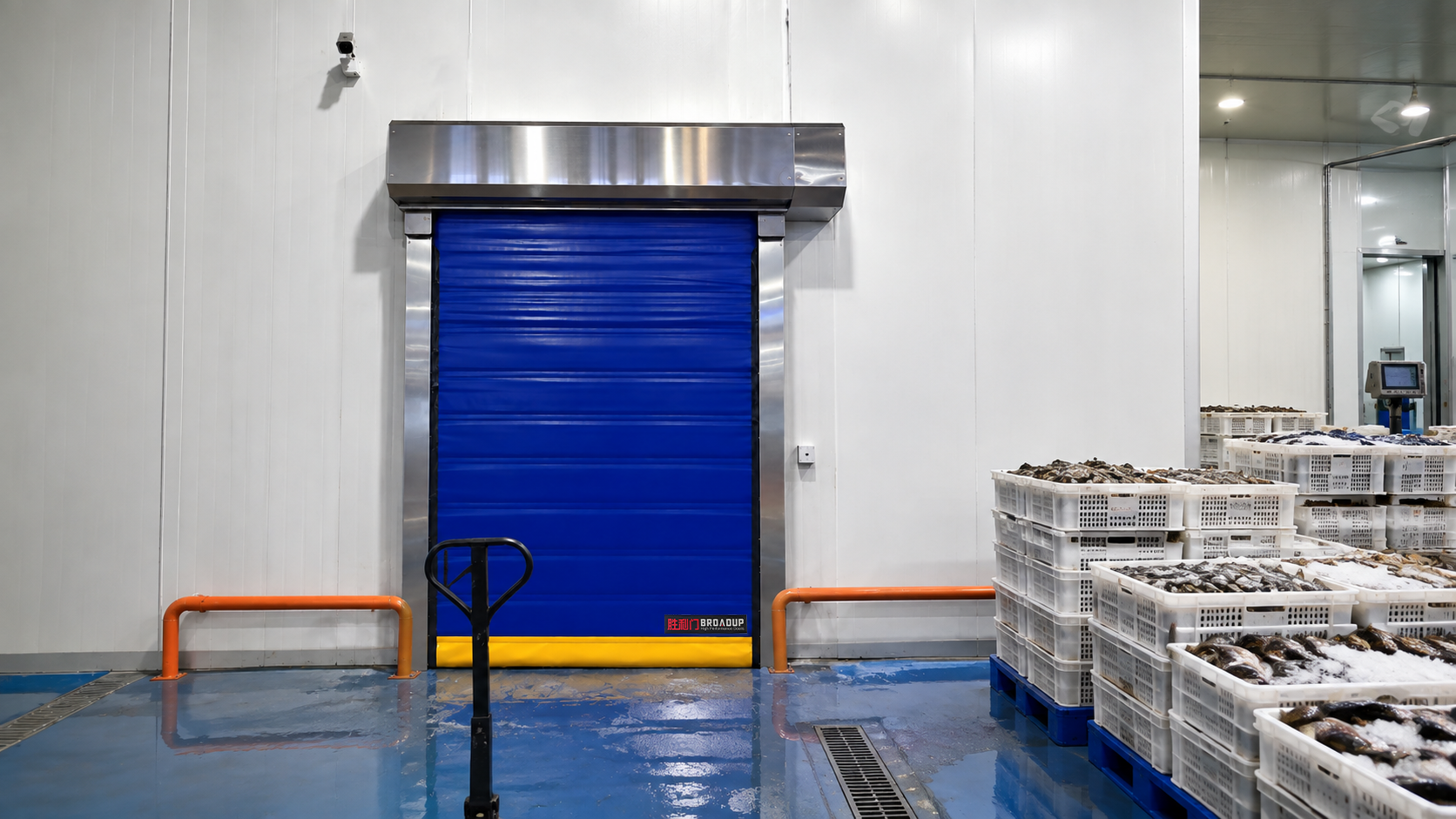
Low-temperature sealing: High-speed doors used in cold-chain logistics are equipped with sealing strips capable of withstanding temperatures as low as −40°C. When installed at cold-storage loading docks, they can deliver energy savings of up to 25%.
Efficient Operation and Maintenance System
Long-lasting components: The spiral guide-rail structure enables one million trouble-free operating cycles, while the variable-frequency motor consumes 40% less energy than a conventional motor.
Self-diagnostic system: The system monitors the door’s sealing performance in real time and automatically corrects guide-rail deviations greater tn 2 mm.
Comparison of Application Scenarios
| Industry | Air Changes with Conventional Doors | Air Changes with High-Speed Doors | Cleanliness Performance |
| Electronics cleanroom | 15 times per hour | 5 times per hour | Improvement from ISO 14644-1 Class 5 to Class 4 |
| Pharmaceutical filling line | 20 times per hour | 8 times per hour | 35% improvement in the compliance rate for EU GMP Grade A |
| Food packaging area | 12 times per hour | 4 times per hour | 60% reduction in microbial contamination |
By integrating the technologies described above, high-speed doors can reduce cleanroom energy consumption by 18%–25% while lowering the incidence of contamination events by more than 70%, making them a core protective component of modern clean industries.
Their continued development toward intelligent operation is driving deeper integration with Industry 4.0 systems, enabling real-time, adaptive control of environmental parameters.