

From “Functional” to “High-Performing”: What Your Choice of Industrial Door Reveals About Operational Excellence
An Industrial Door with poor sealing performance can add tens of thousands of yuan to annual energy expenses, while a slow-opening door can disrupt logistics efficiency and indirectly increase operating costs.
As cost reduction and efficiency improvement become central priorities for businesses, industrial doors are evolving from basic necessities that merely “work” into energy-saving solutions that “work well.”
Choosing the right industrial door reflects genuine operational wisdom.
A high-performing industrial door delivers value first and foremost through energy conservation and reduced consumption.
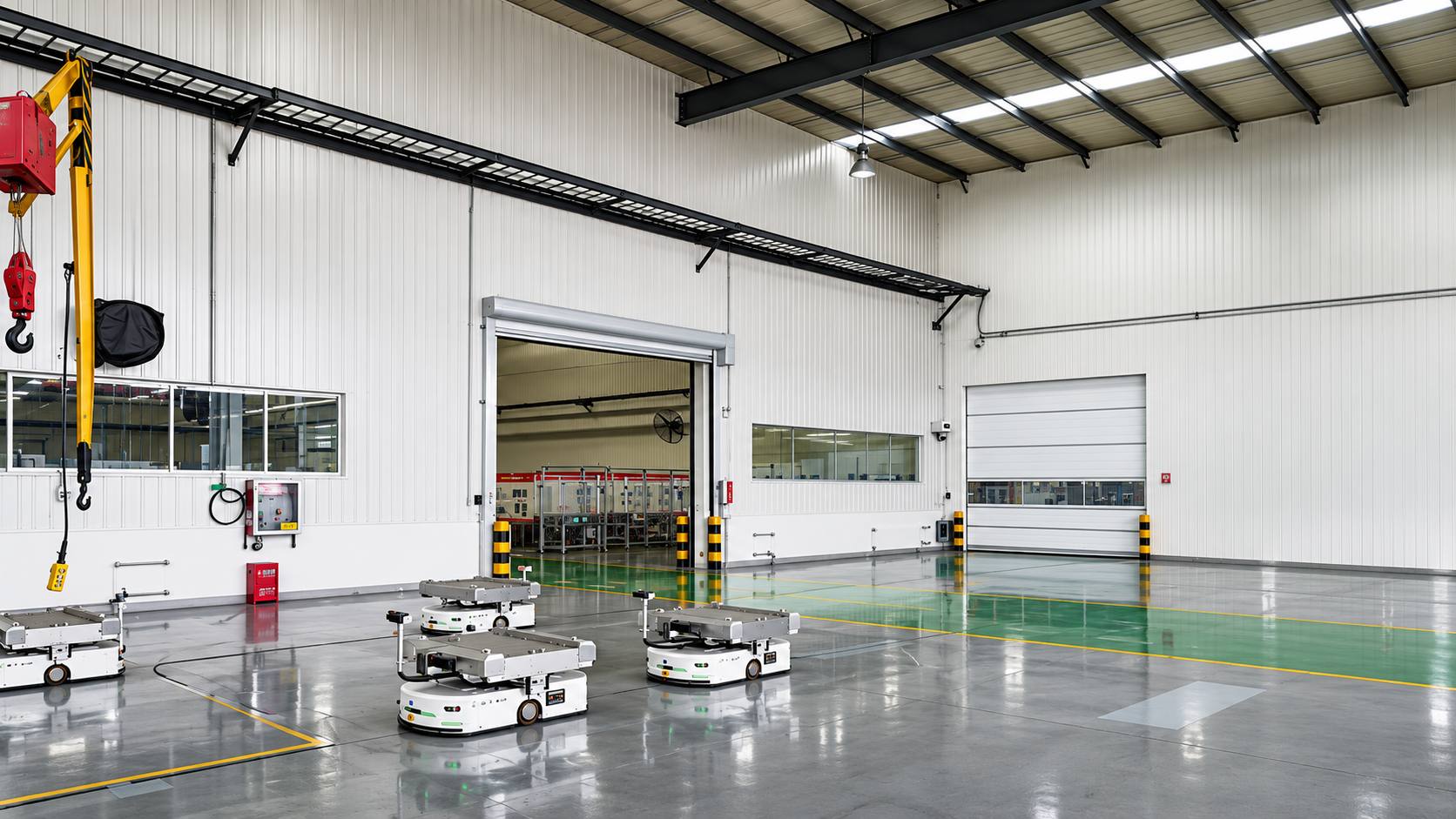
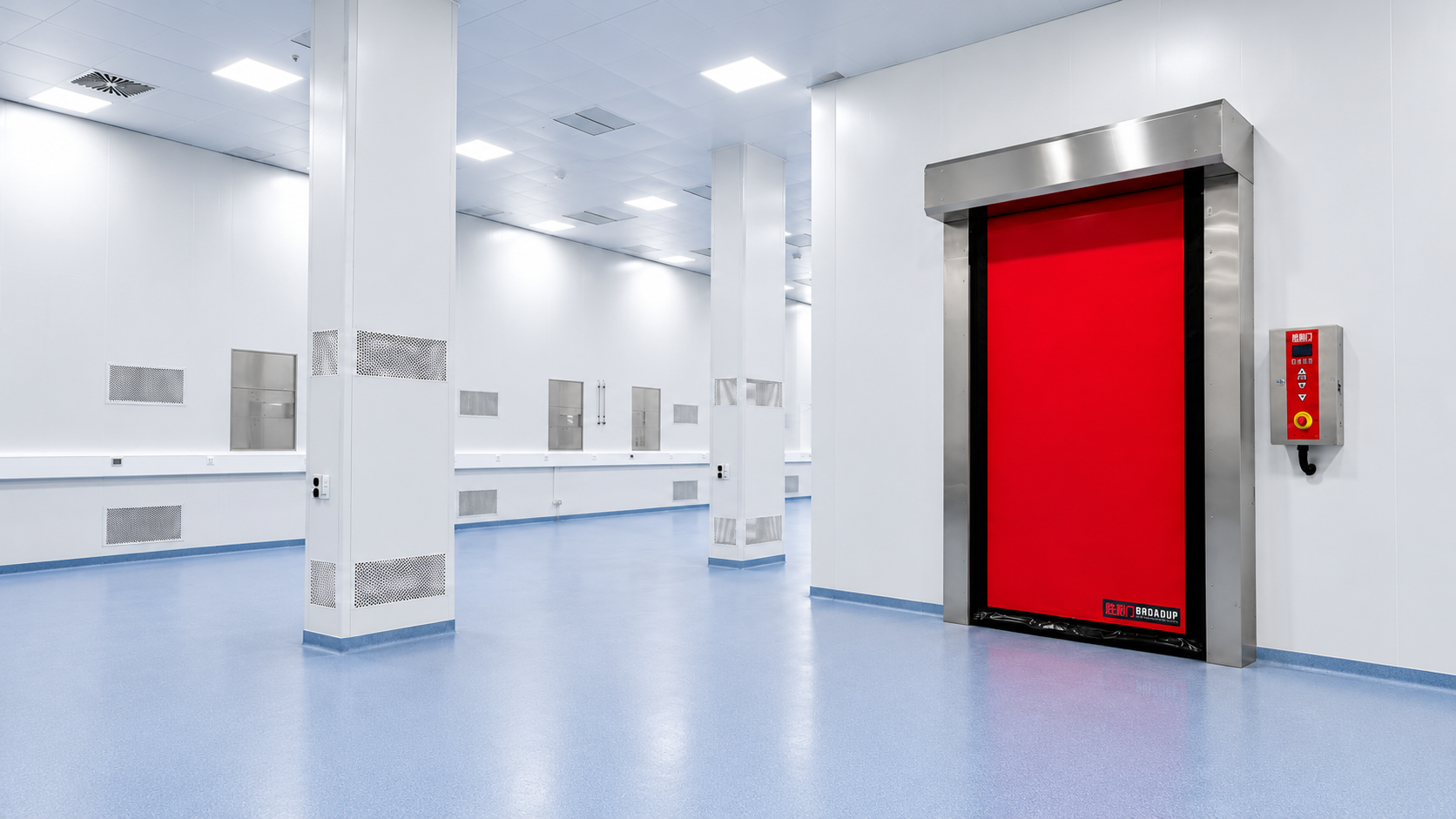
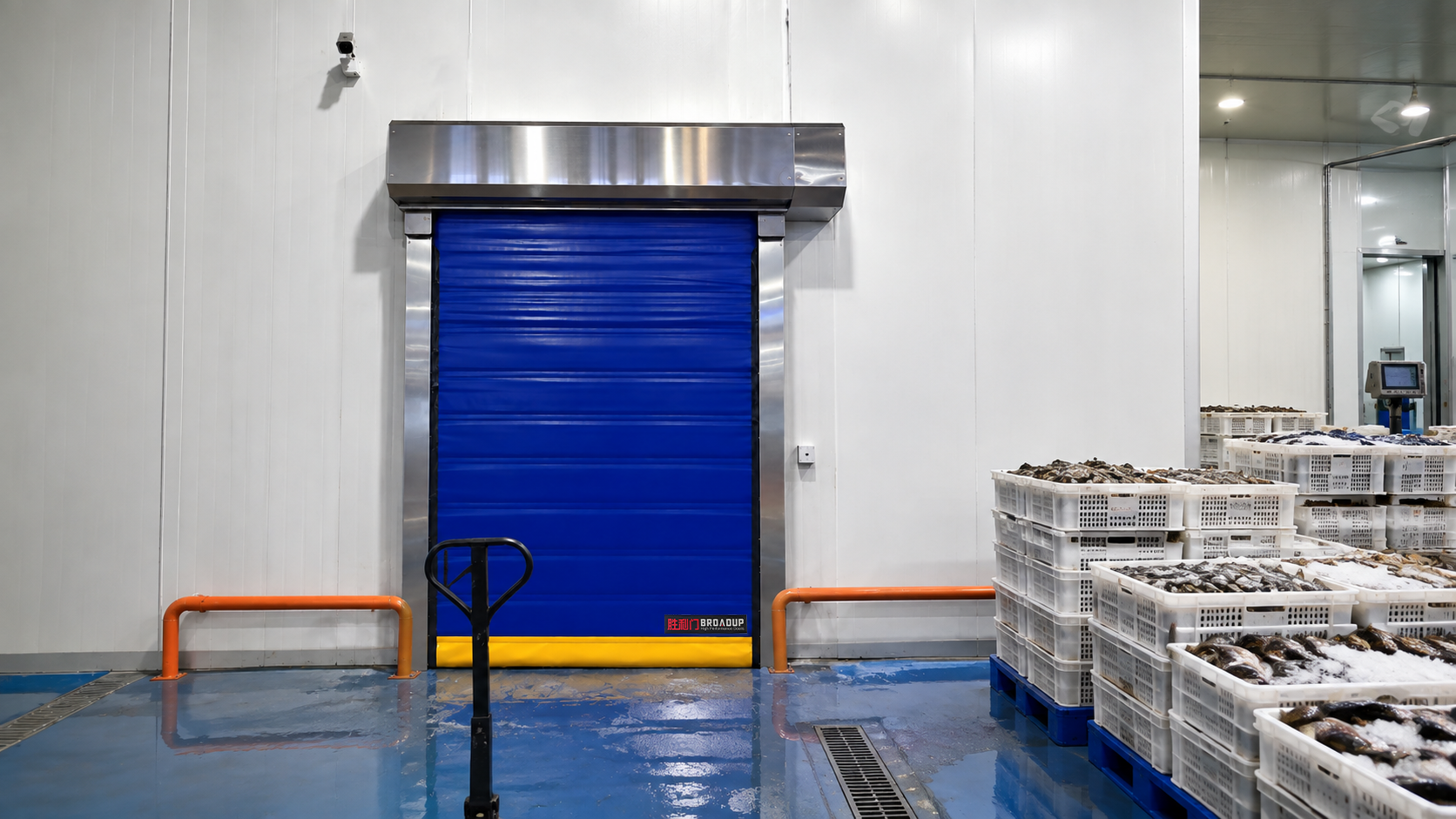
Industrial facilities are often large, and many require temperature-controlled environments—such as food-processing plants and electronics workshops—or frequent ventilation, as in machinery manufacturing facilities.
As the connection point between the factory and the outside environment, an industrial door’s insulation and sealing performance directly affect overall energy consumption.
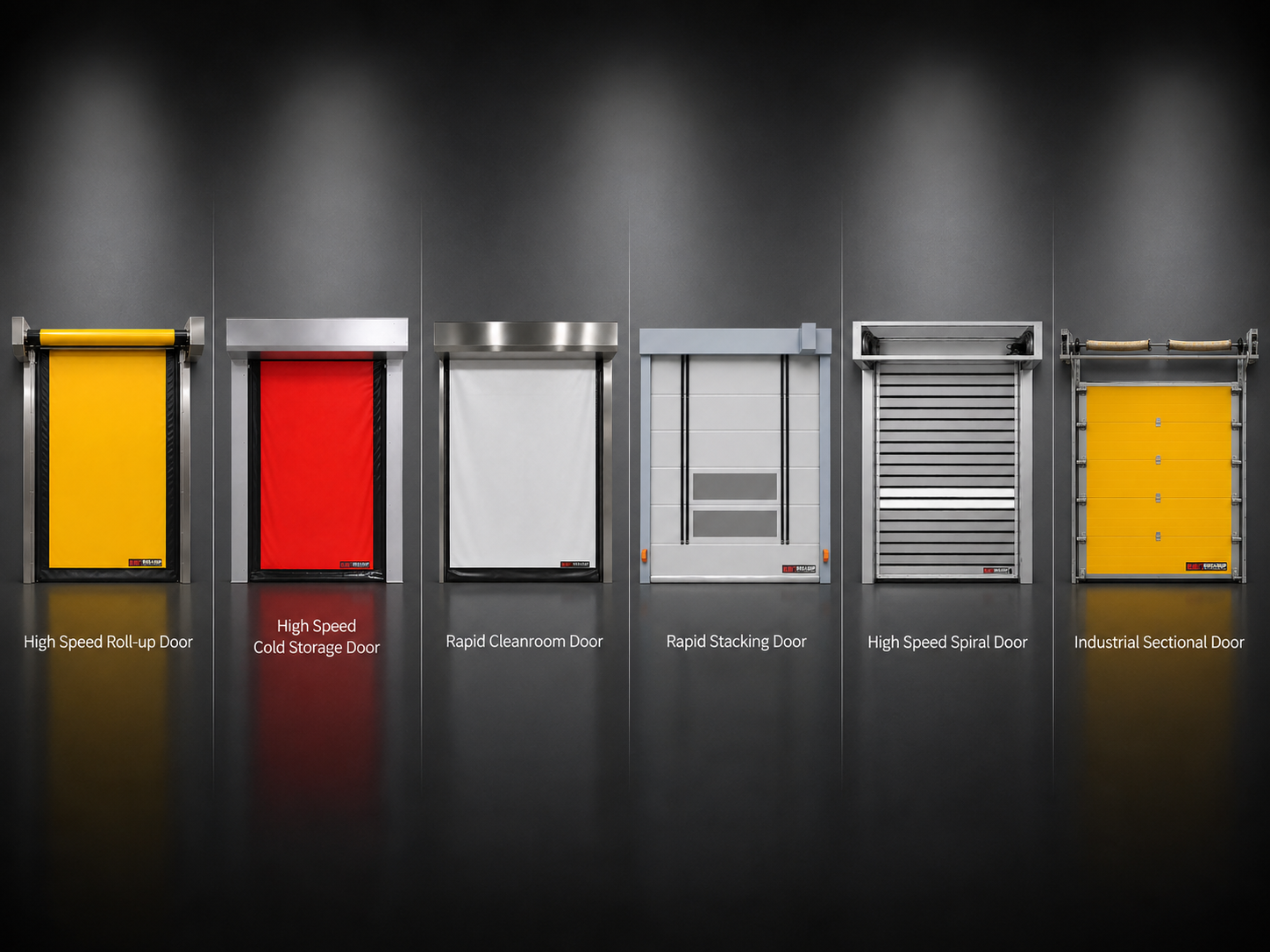
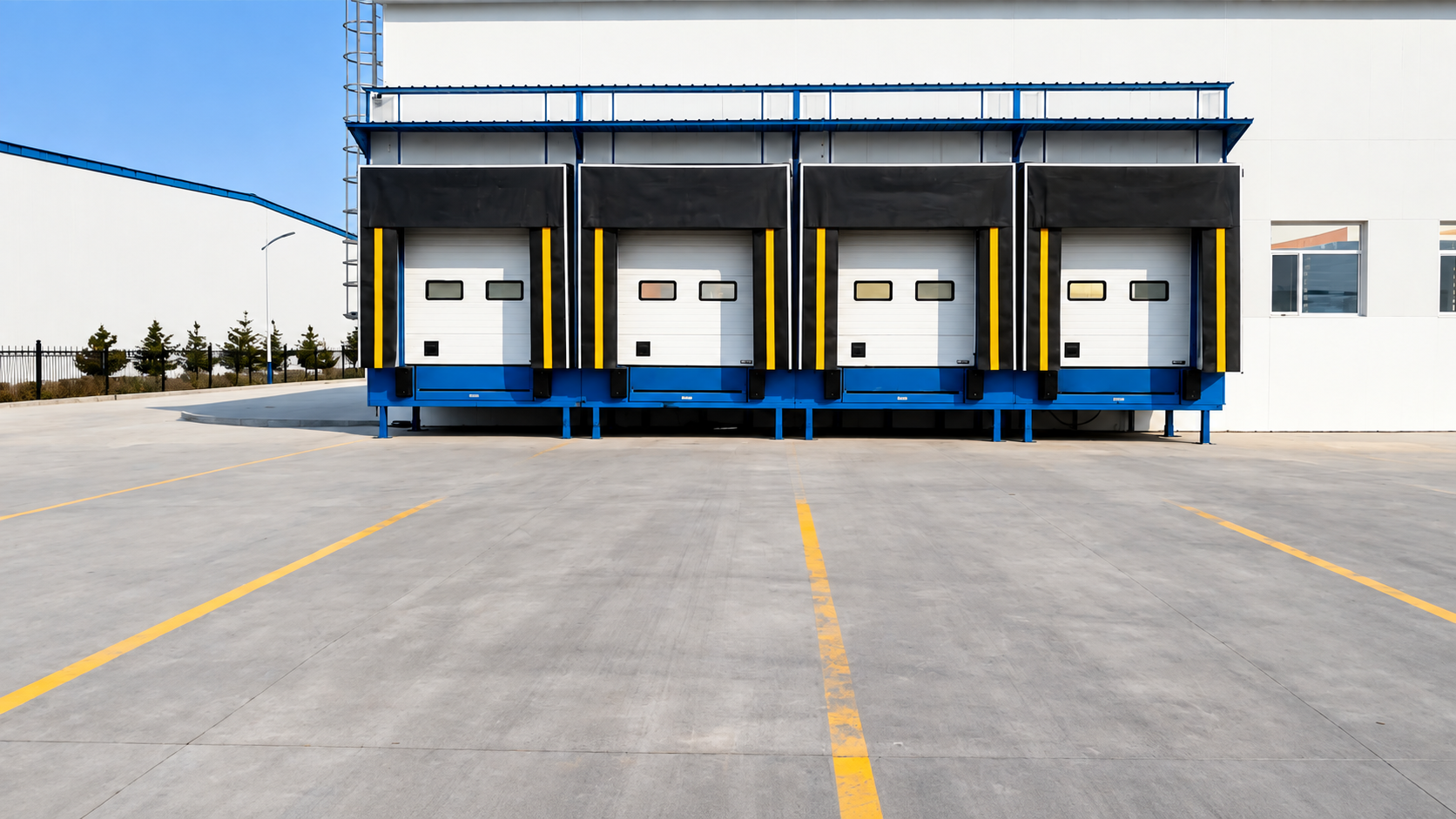
Today’s leading energy-efficient industrial doors include polyurethane-insulated Sectional Doors, whose panels are filled with high-density insulation materials and feature low thermal conductivity, effectively minimizing heat transfer between indoor and outdoor environments.
Data from one electronics factory showed that replacing conventional Roller Shutter doors with insulated sectional doors reduced summer air-conditioning energy consumption by 22%, saving nearly RMB 4,000 in electricity costs each month.
Fast opening and closing is another key factor in energy efficiency.
Traditional industrial doors operate relatively slowly, typically at around 0.3 meters per second, allowing more time for warm and cold air to circulate between indoor and outdoor spaces.
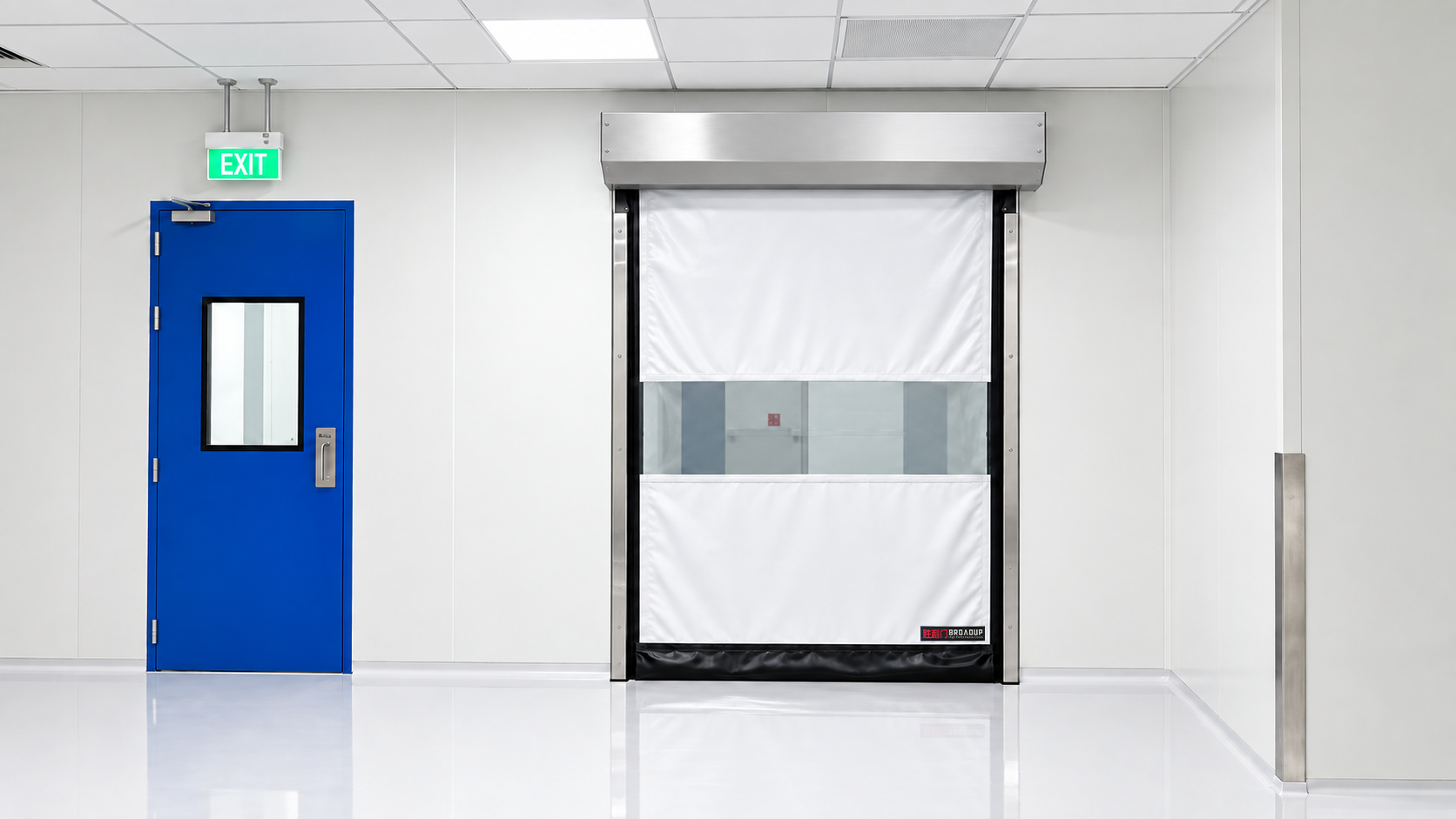
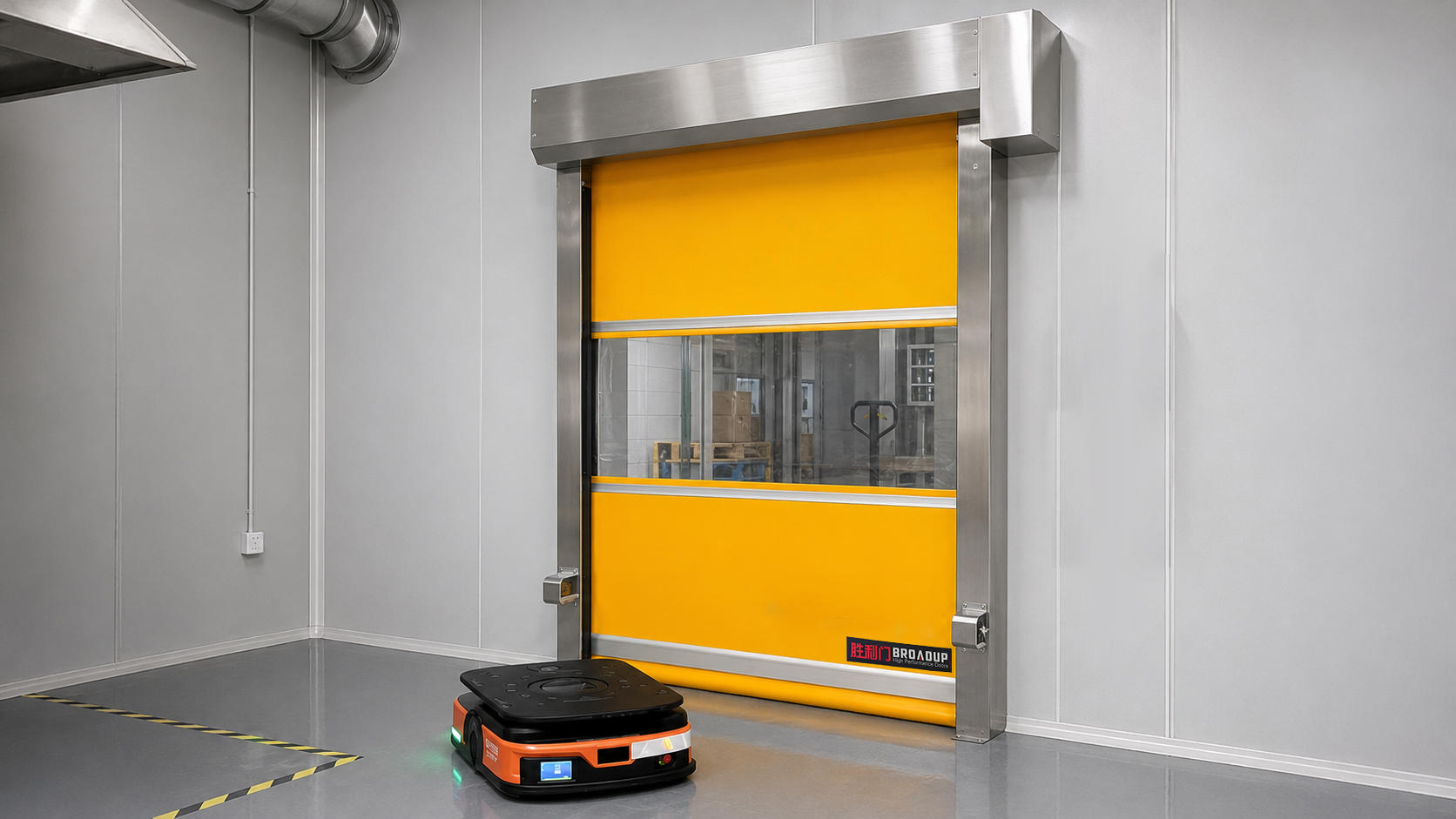
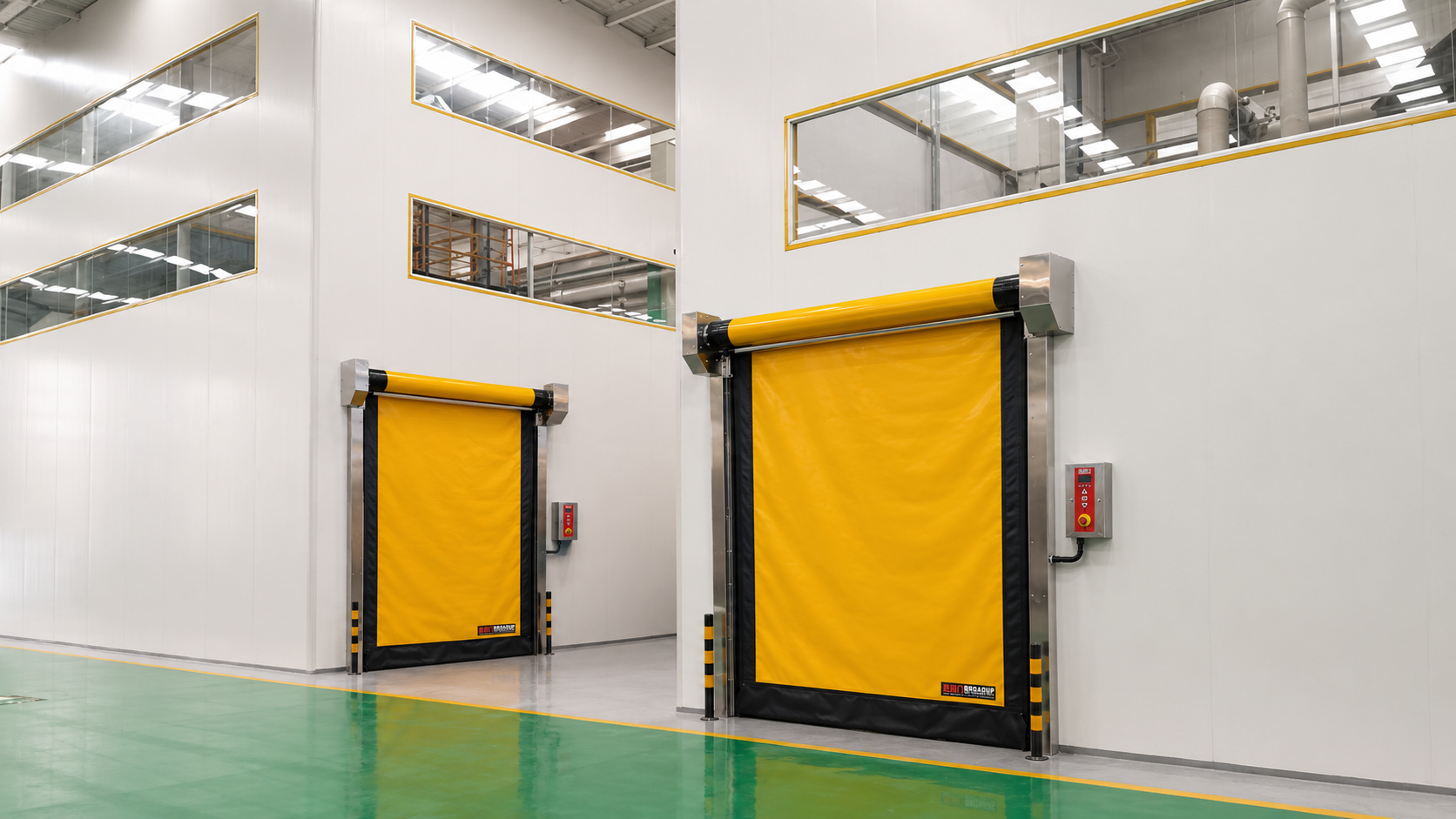
High-speed roll-up doors, by contrast, can operate at speeds of 1.5 to 2 meters per second.
Combined with infrared sensors or ground-loop detection systems, these doors open automatically as vehicles approach and close immediately after they leave, significantly reducing unnecessary air exchange.
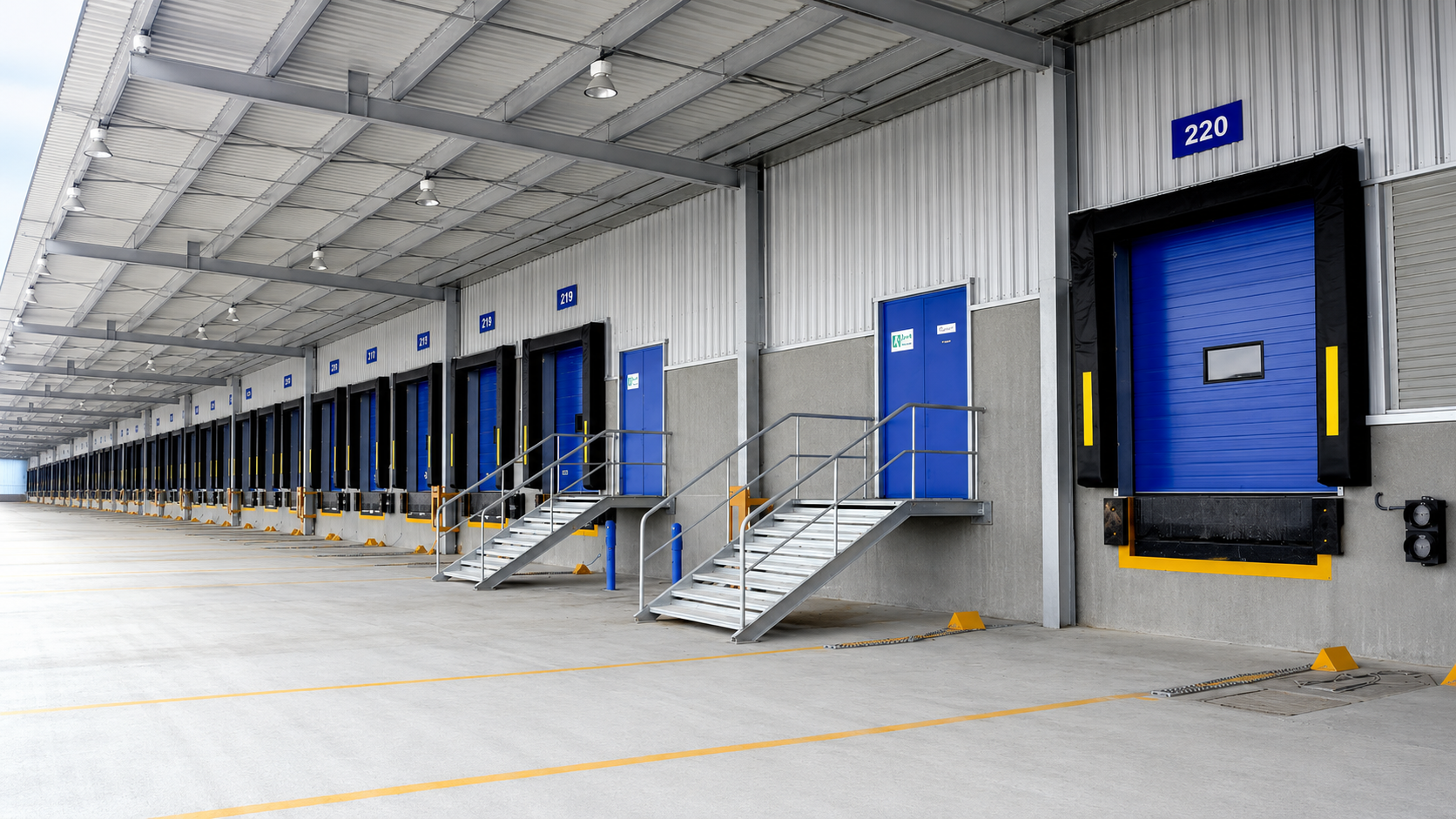
For logistics facilities where vehicles enter and exit dozens of times each day, this feature alone can reduce annual heating or air-conditioning losses by approximately 15%.
From an industry perspective, energy-efficient industrial doors have become an essential investment for businesses.
On the one hand, China’s dual-carbon goals have made green manufacturing an industry-wide priority.
Energy-efficient equipment can help companies qualify for Green Factory certification and gain access to policy incentives.
Because industrial doors are often an overlooked source of energy loss, they have naturally become a key focus of factory upgrades.
On the other hand, rising raw-material and labor costs in recent years have made companies increasingly sensitive to hidden expenses.
Energy losses from industrial doors, once widely overlooked, are now recognized as a valuable opportunity for reducing costs.
One logistics park reported that after replacing 20 industrial doors with energy-efficient models, its total annual operating costs fell by nearly RMB 120,000.
The investment paid for itself in less than two years.
More importantly, a high-performing industrial door can also improve operational efficiency indirectly.
For example, smart industrial doors can connect to workshop management systems and use Internet of Things technology to monitor door status in real time, including opening frequency and fault alerts.
This reduces the need for manual inspections.
Durable, wind-resistant, and impact-resistant designs—such as those featuring high-strength aluminum-alloy frames—can also reduce maintenance frequency and prevent production interruptions caused by door failures.
These benefits may appear small individually, but together they create significant, often unseen improvements in overall operational efficiency.
Choosing an industrial door has never been as simple as merely buying a door.
The shift from “functional” to “high-performing” reflects a broader transition from extensive operations to refined management.
It means paying attention to every detail that could affect costs and taking advantage of every opportunity for optimization.
When an industrial door can eliminate energy losses while supporting efficient production, it is no longer just another factory component.
It becomes a strategic tool for reducing costs and improving efficiency.
As smart manufacturing continues to advance, industrial doors will become even more intelligent and energy-efficient, incorporating technologies such as photovoltaic power and AI-driven control systems.
However, the fundamental principle will remain unchanged: choosing the right industrial door means choosing a more economical and efficient way to operate.
After all, genuine operational wisdom is often found in choices that may initially seem insignificant.