


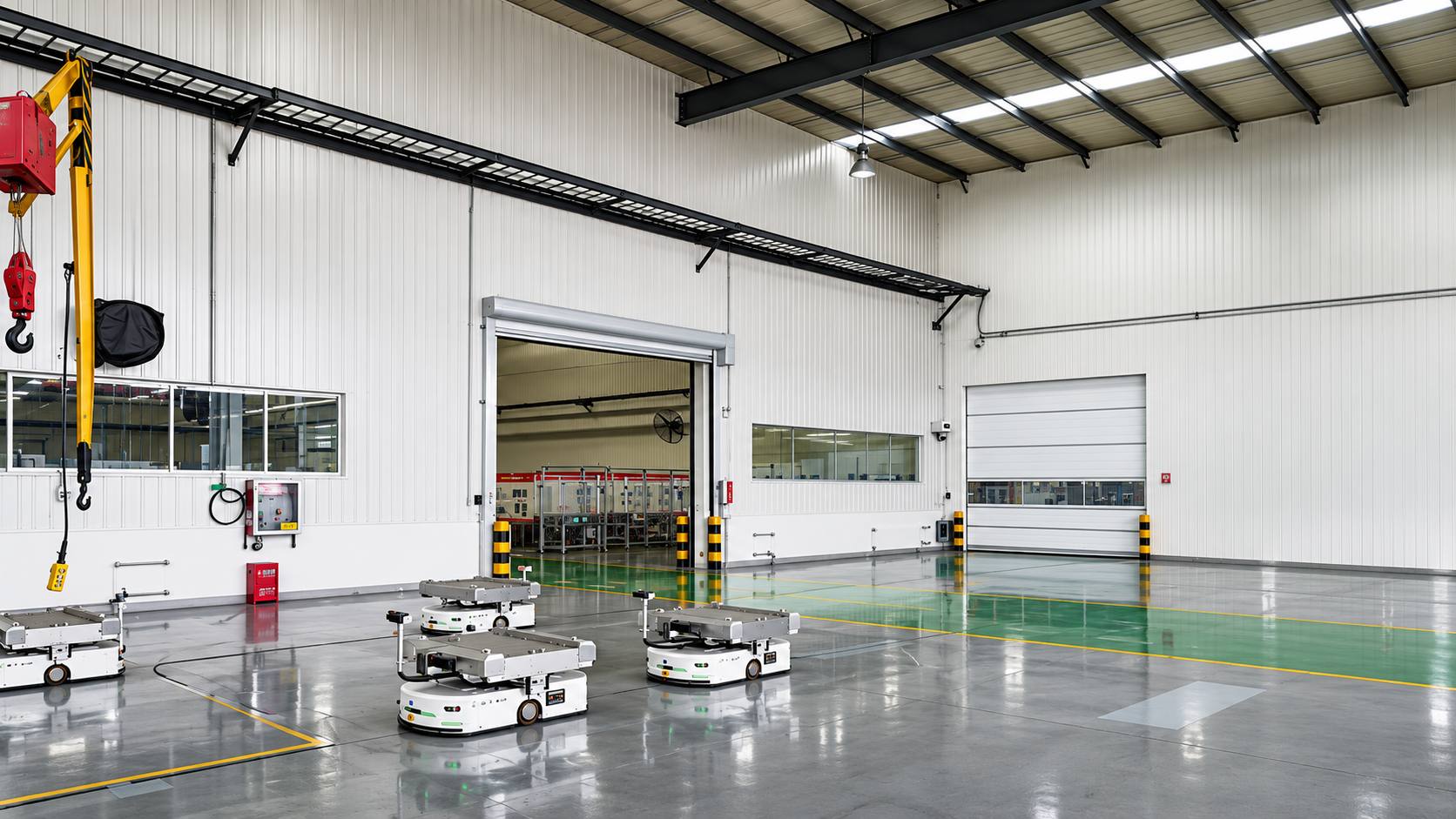
Smart Technology Leads the Future: The Ideal Access Partner for AGVs
In the fields of technology and innovation, one concept has always played a central role: automation. As described in the movie The Incredibles, it is “a development program designed to use machines to replace some or all human work.” Supported by strong product capabilities and a group of globally minded industry leaders, Chinese-made AGVs can now be found handling materials intelligently in facilities around the world.
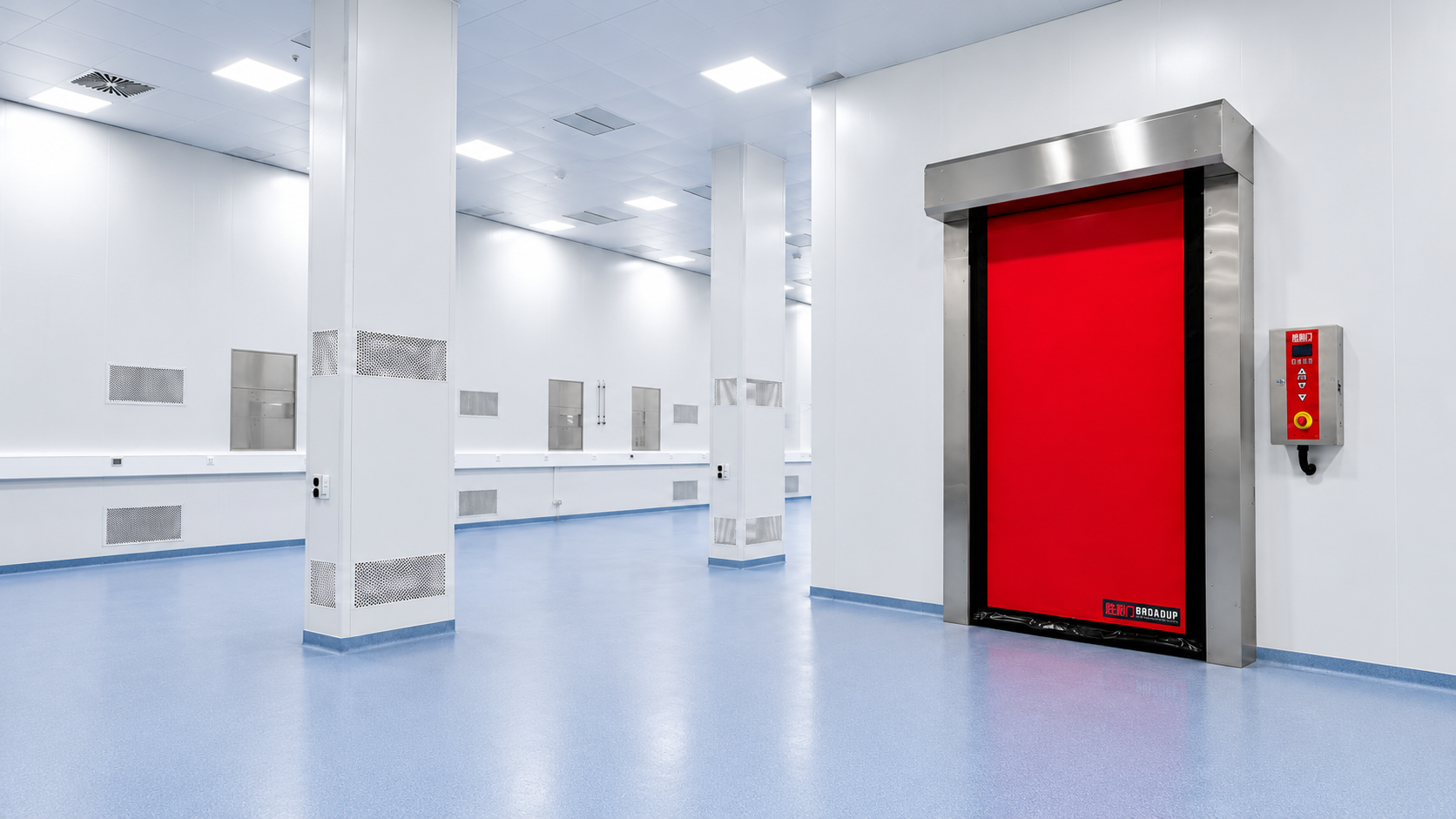
High-Speed Doors Provide Efficient Environmental Protection for Clean Industrial Production
Cleanrooms are essential environments in modern industrial production, particularly in fields such as microelectronics, biopharmaceuticals, and precision machinery, where extremely high levels of cleanliness are required.
Differential pressure control is a critical aspect of cleanroom environmental management and plays a vital role in maintaining cleanroom cleanliness and stability
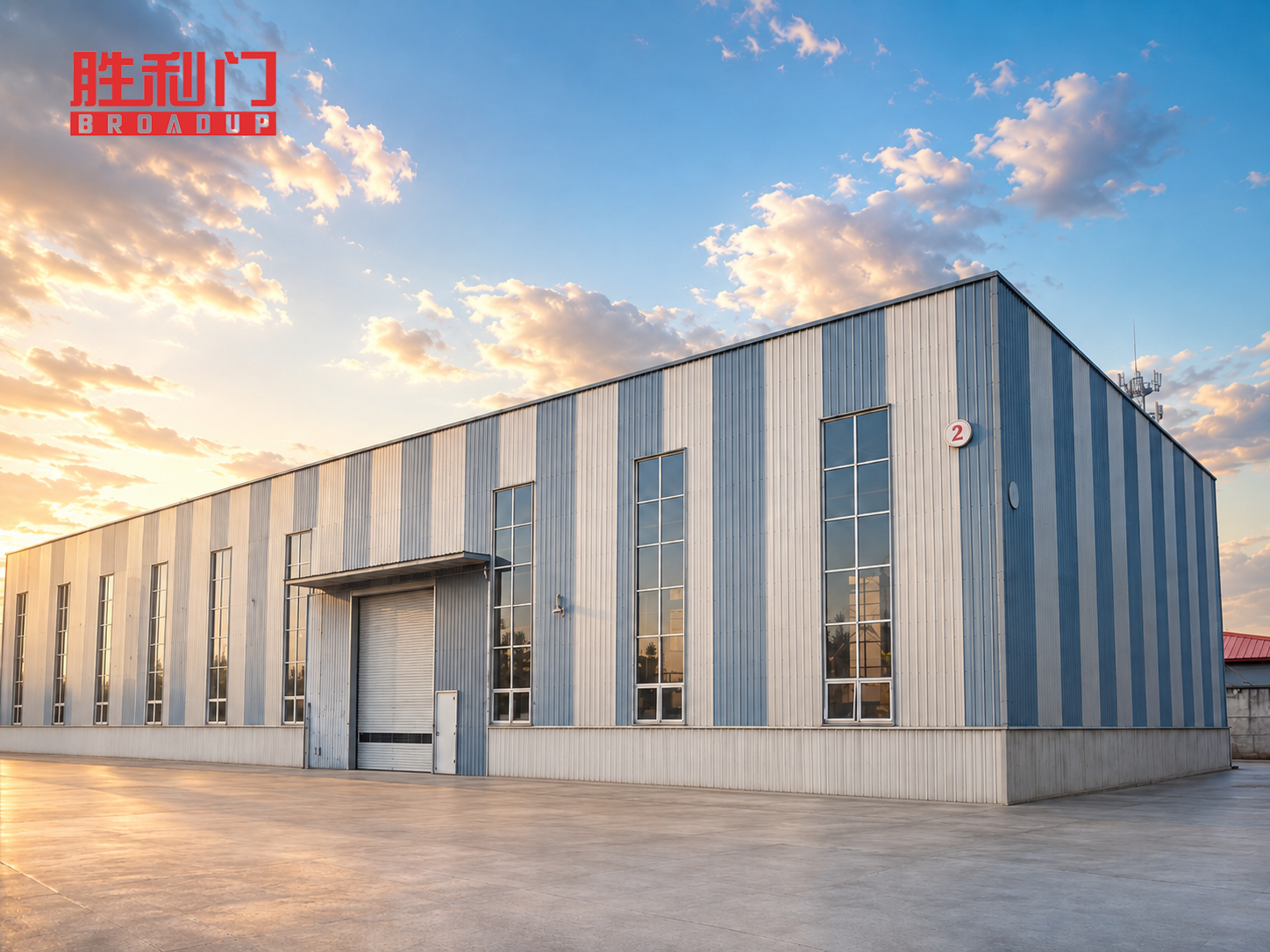
From “Functional” to “High-Performing”: What Your Choice of Industrial Door Reveals About Operational Excellence
When constructing a factory, many companies treat industrial doors as basic components: as long as they open, close, and keep out the rain, they are considered “good enough.”
Yet few businesses have calculated the true cost.
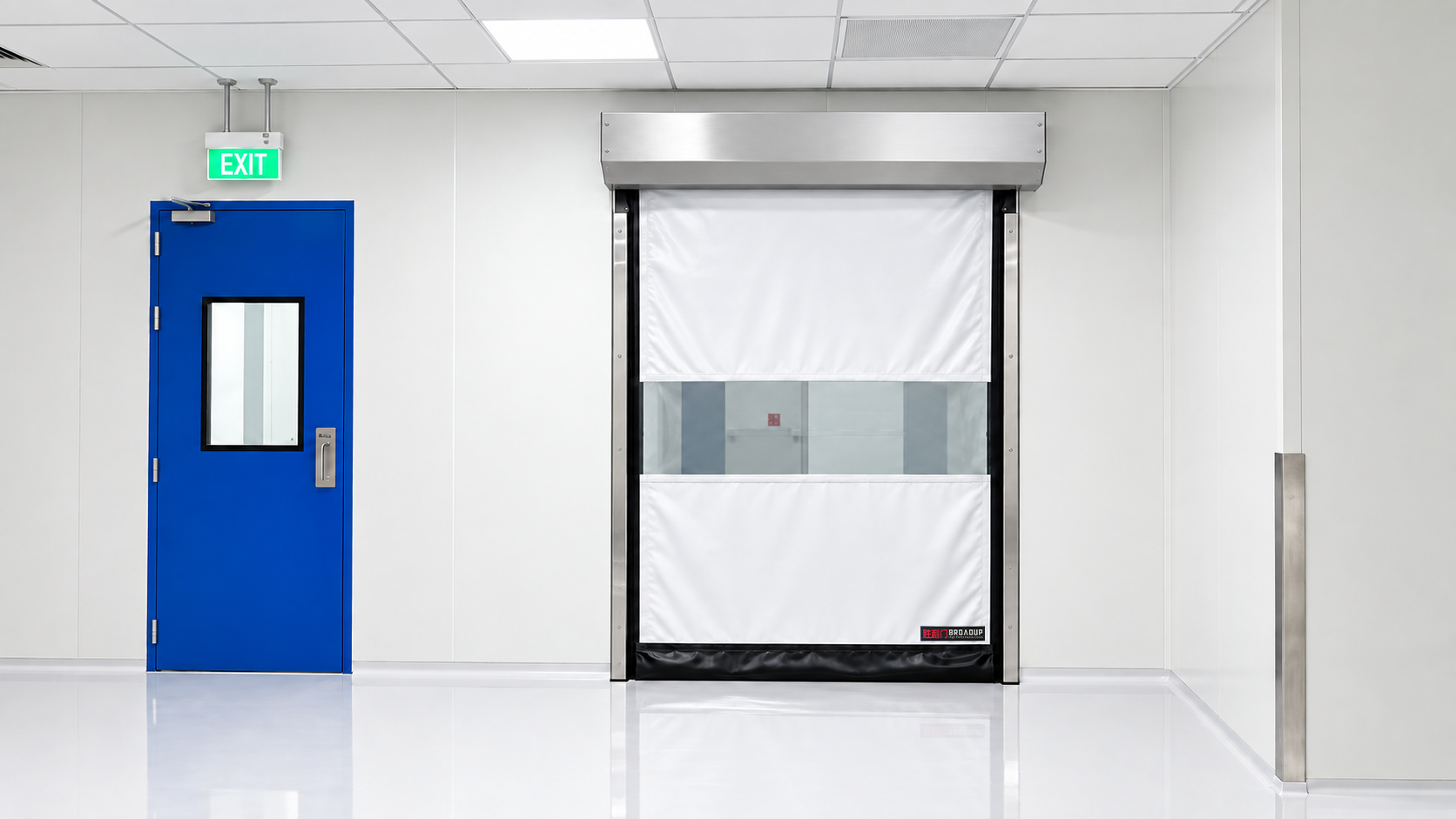
How Meticulous Must an “Environmental Gatekeeper” Be in a Cleanroom?
In highly controlled environments such as semiconductor manufacturing facilities, biological laboratories, and pharmaceutical production plants, choosing a door involves far more than simply ensuring that it opens and closes. As cleanrooms are critical spaces for controlling dust, microorganisms, temperature, and humidity, their doors serve as true “environmental gatekeepers.” Every Victory Door is designed with meticulous attention to detail.
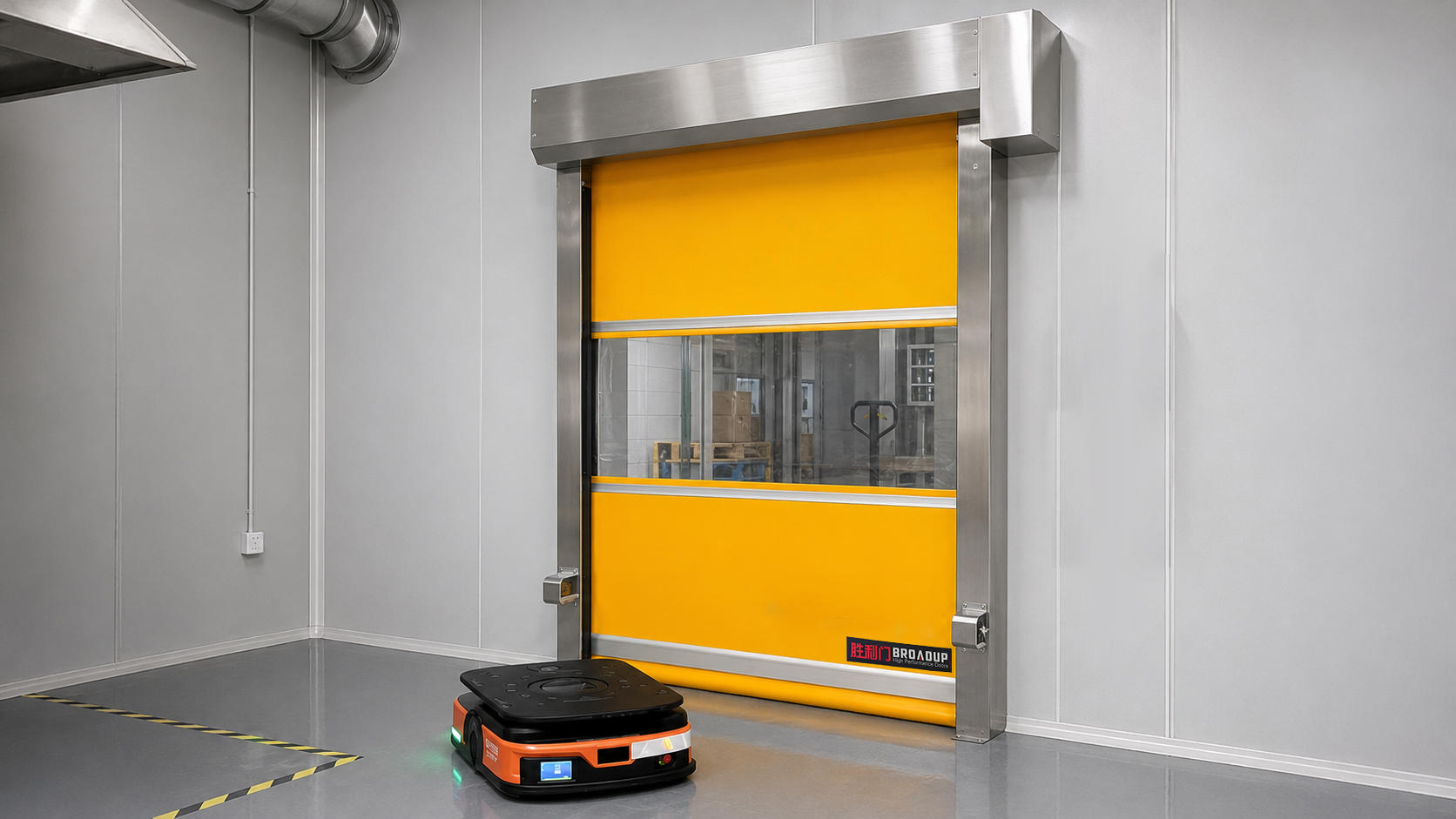
High-Speed Doors: The Invisible Moat Safeguarding Industrial Operations
In factory workshops, logistics warehouses, and cleanroom laboratories, high-speed roll-up doors open and close hundreds of times a day. Like “digital gateways,” they regulate the movement of people, goods, and energy. Yet most people notice only their speed—what truly defines their value is the invisible safety system behind them and their system-level energy efficiency.
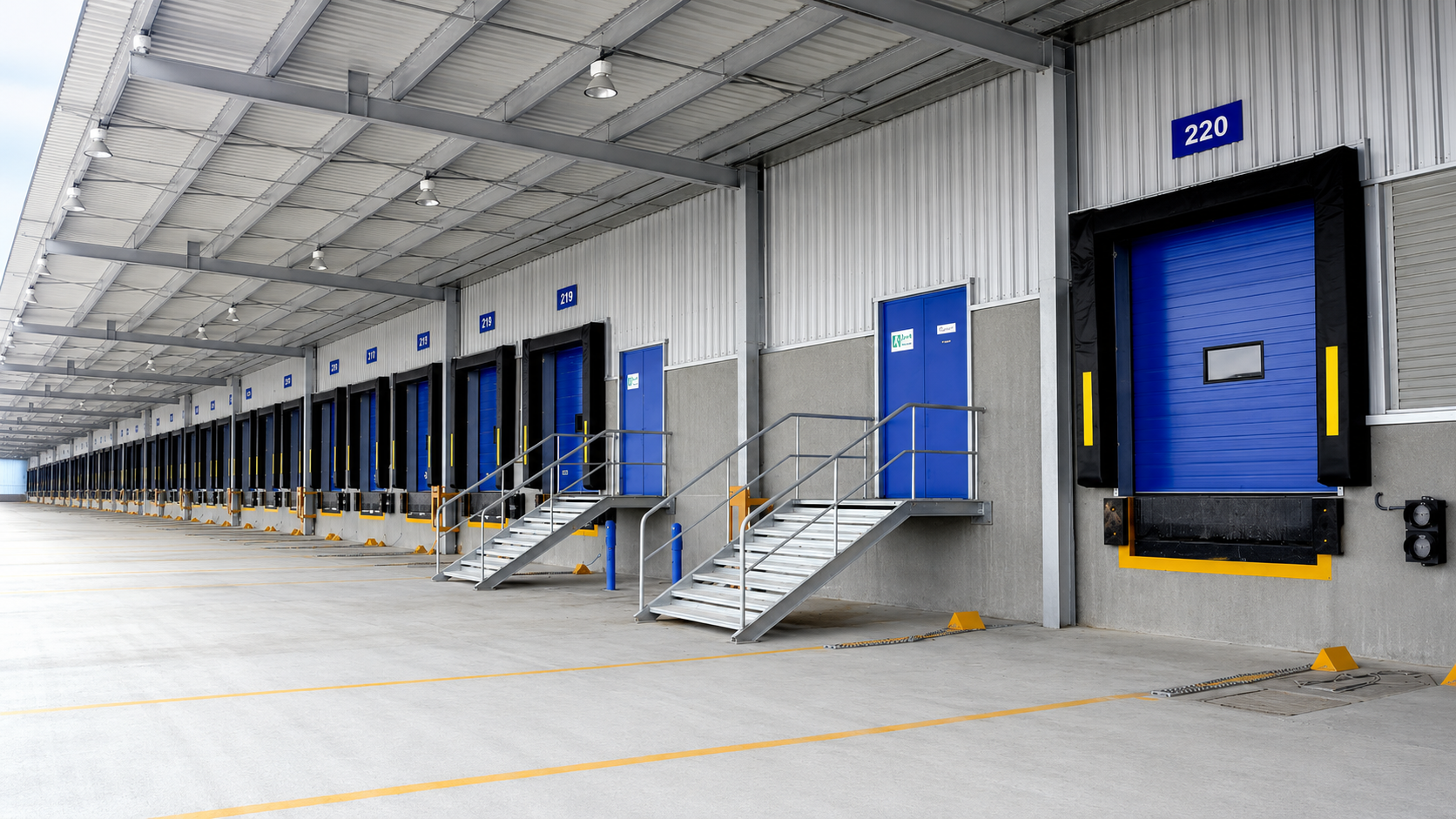
What Are the Main Features of Loading Dock Equipment?
Loading dock equipment provides a comprehensive solution for the safe and efficient movement of goods between warehouses and vehicles. It also offers excellent sealing and thermal insulation.
These systems are widely used in warehouses, shopping malls, supermarkets, factories, exhibition centers, customs facilities, and logistics hubs—especially in the food, pharmaceutical, central kitchen, and cold-chain logistics industries.
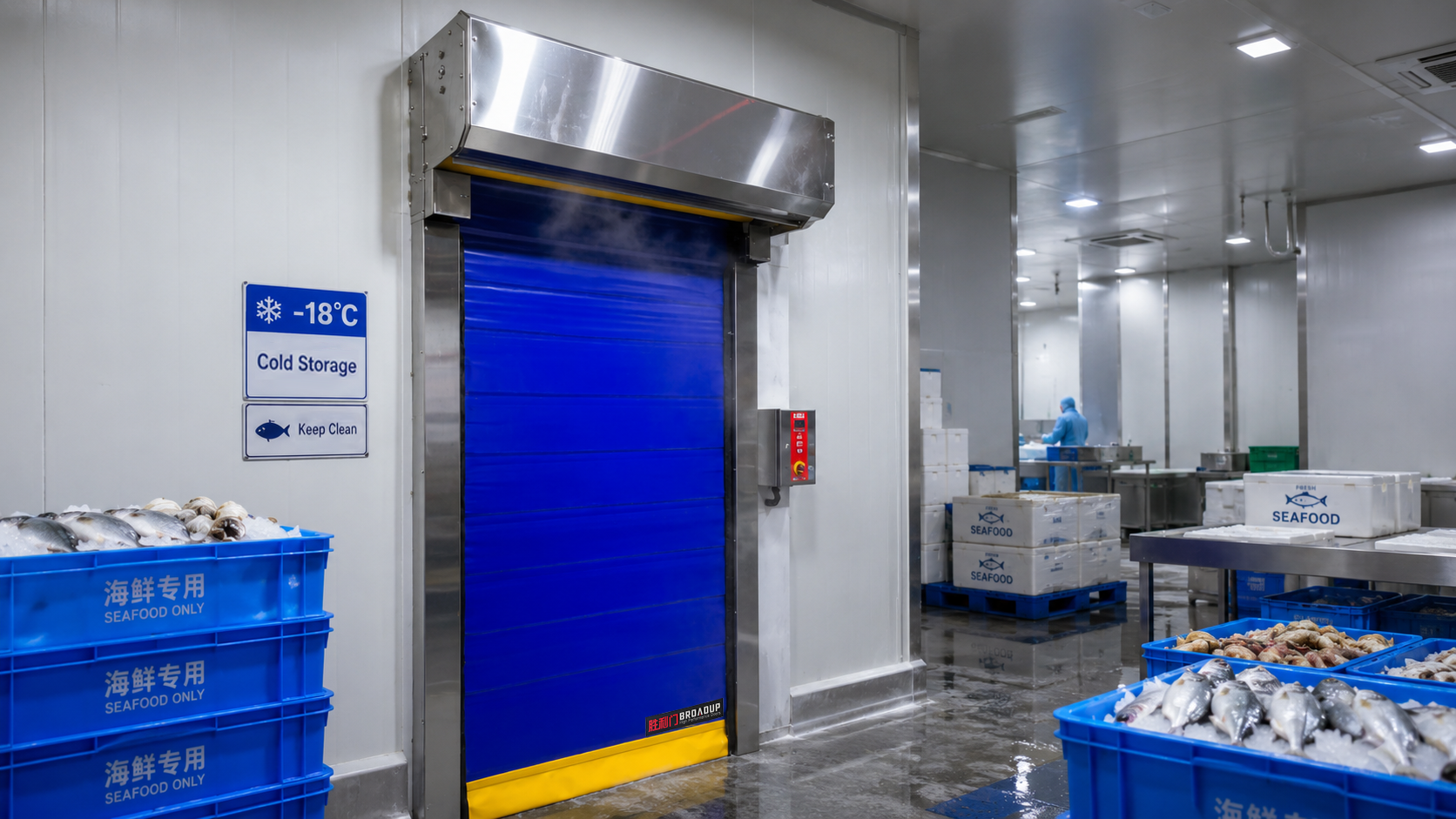
Fresh E-Commerce and On-Demand Retail Are Booming—Driving the Need for Advanced Cold-Chain Solutions
Victory High-Speed Cold Storage Doors Protect the Cold Chain
As 30-minute and one-hour delivery become the norm for fresh food, cold-chain operations are moving from large suburban warehouses to community-based fulfillment hubs. Every sorting, loading, and dispatch operation is now a race against time.
High-speed cold storage doors play a vital role in maintaining temperature stability, improving fulfillment efficiency, and reducing product loss. With professional door solutions, Victory Doors helps businesses strengthen this critical link in the fresh-food cold chain.
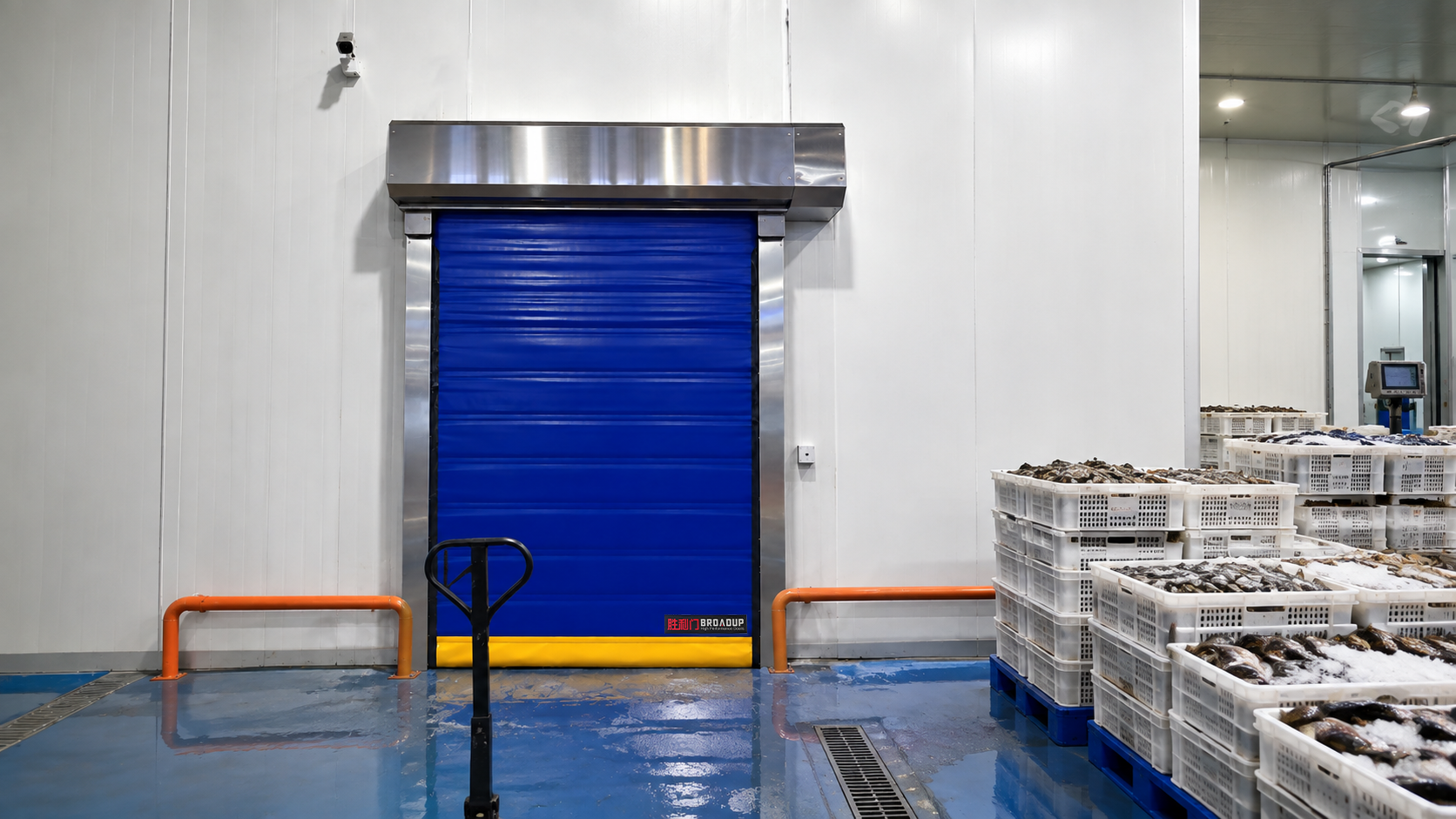
Don’t Confuse Sample Production with Industrial Manufacturing Capability | Choosing High-Speed Doors for the Food Industry Requires Extra Care
There is a common misconception in the industrial door industry: being able to manually produce a finished sample does not necessarily mean having stable industrial-scale manufacturing capabilities.
A sample can be fine-tuned manually and assembled using carefully selected components. However, when high-speed doors are produced in volume and installed in food-processing environments, what truly matters is comprehensive capability across the entire chain — from material control and standardized manufacturing processes to operating-condition adaptability and long-term reliability.
The food industry is subject to requirements such as the GB 14881 food hygiene standard and HACCP control systems.
High-speed doors in food-processing facilities are critical control points for maintaining a clean production environment, which means equipment selection cannot be approached casually.
With years of experience in the food industry, Victory Door demonstrates the essential value of industrial-grade products for food factories through objective testing, rigorous R&D, and extensive real-world project experience.
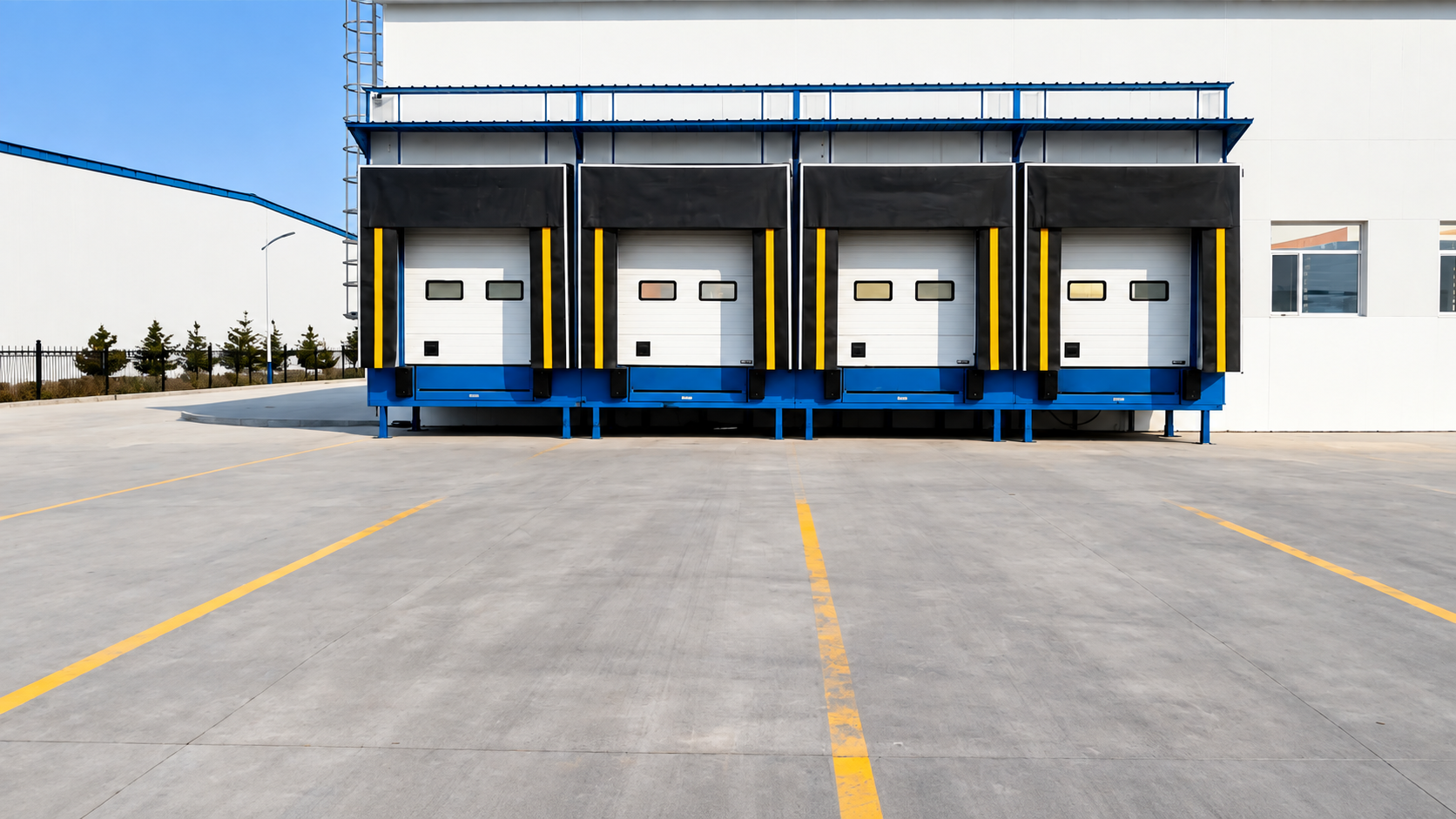
Hinged-Lip vs. Telescopic Dock Levelers: How to Choose the Right One for Your Loading Dock
At loading docks in factories, warehouses, and cold-chain logistics facilities, dock levelers are essential equipment that bridge the gap between trucks and warehouse floors. They directly impact loading and unloading efficiency, operational safety, and the overall sealing performance of the facility.
Among the most common solutions on the market, hinged-lip dock levelers and telescopic dock levelers are designed for very different operating conditions due to their differences in structure and functionality. However, many companies find it difficult to distinguish between the two when selecting equipment, which can lead to limited operation, inefficient use, or even underutilized equipment.
In this article, Victory Door will clearly explain the key differences between hinged-lip and telescopic dock levelers, their ideal applications, and how to choose the right solution for your facility—helping you improve efficiency, reduce costs, and avoid costly selection mistakes.
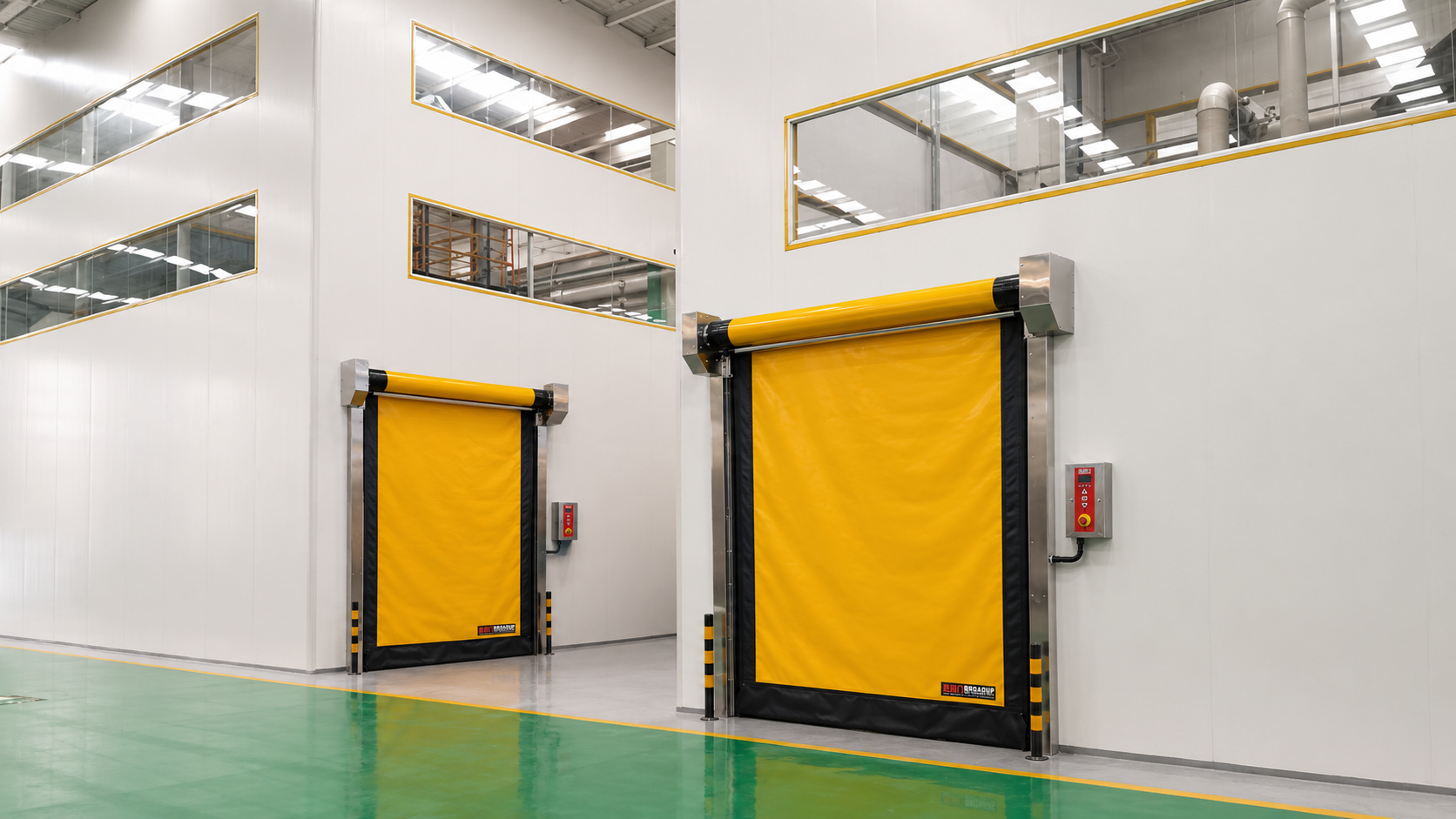
Why Are More Factories Switching to High-Speed Doors? Three Key Reasons
Step into a modern manufacturing facility, and many managers will tell you, “Operations have become noticeably smoother since we installed high-speed doors.” These doors effectively address many of the problems associated with conventional roller shutter doors, including slow operation, air leakage, and safety risks. So why are more factories making the switch? The answer lies in three key advantages.