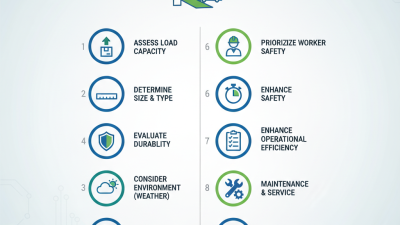
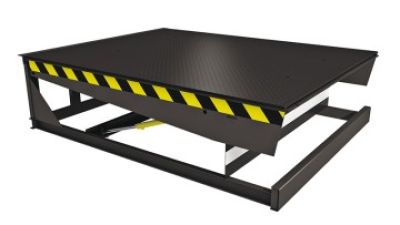
Picking the right Dock Leveler manufacturer in China isn't just about comparing prices. For global buyers, it's really about finding reliable loading equipment, clear tech documentation, and responsive support once the product’s in use. A good supplier should understand things like trailer heights, warehouse traffic flow, forklift weights, and the specific conditions of your local operation. Pay attention to those small details—sometimes, a difference of just a few millimeters can make a big impact on safe pallet movement.
In this guide, I’ll walk you through what to look for when evaluating manufacturers, based on practical buying points. Things like how long they’ve been in production, the quality of their materials, consistency in welding, hydraulic system performance, and how they test their products. Before placing an order, ask for load ratings, platform dimensions, installation drawings, and maintenance instructions. It’s also a smart move to do a factory audit—this can reveal important stuff like how they store steel, their final inspection process, and overall quality control. Remember, don’t just go by promises—request proof.
Component design matters too. For example, durable dock leveler seals are key—they help keep dust, water, and temperature fluctuations out of the loading bay. Quality hinges, cylinders, lips, and control systems can really cut down on downtime, especially during busy shipping seasons. But here’s the thing—no supplier is perfect. How well the product performs depends on install quality, climate, how often it’s used, and maintenance habits. Being honest about these factors is important.
In the following overview, we’ll look at Chinese manufacturers that serve international markets and show you how to compare them fairly. This includes factors like customization options, export track record, spare parts availability, warranty terms, and technical support. Certifications can boost confidence, but don’t rely on them alone—independent checks are key. A solid manufacturer should be able to answer tough questions clearly. That’s often the real test of their credibility.
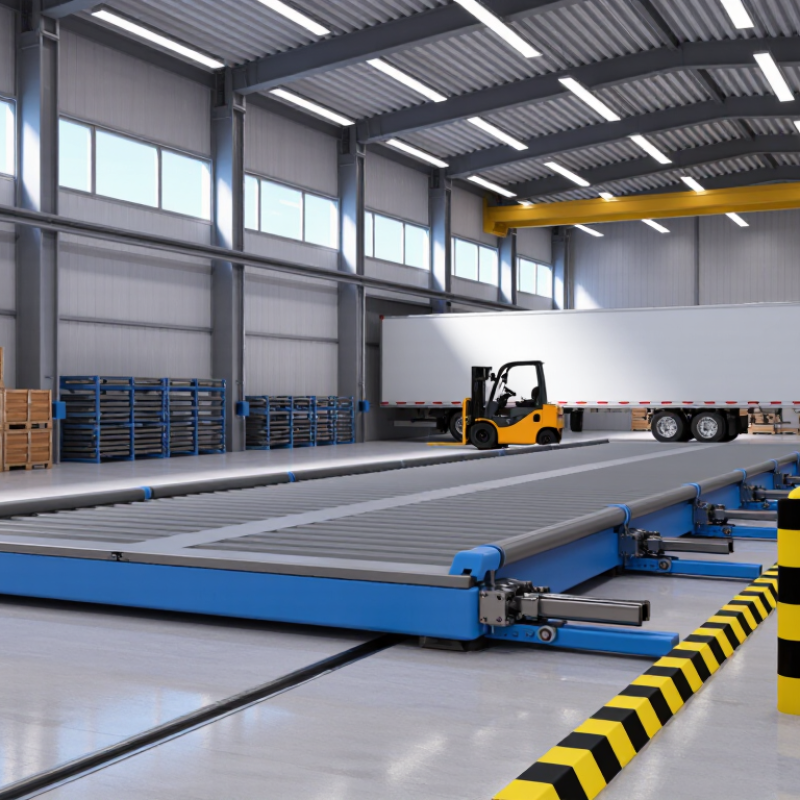
What Is a Dock Leveler and Why Does Manufacturer Choice Matter?
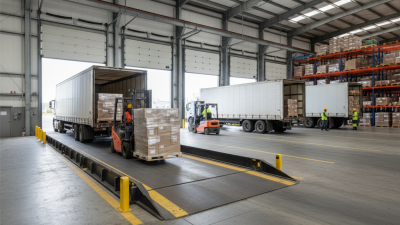
A dock leveler is a movable platform between a loading dock and a truck bed. It bridges height differences during loading and unloading. Forklifts can then travel across a smoother, safer transition. Common designs include mechanical, hydraulic, and air-powered models. Each suits different traffic levels, dock layouts, and maintenance capabilities.
Manufacturer choice matters because the leveler carries heavy loads under repeated impact. A credible manufacturer should explain rated capacity, platform strength, lip dimensions, and operating limits clearly. Look for documented factory testing, traceable materials, and compliance with applicable safety standards. Installation guidance also matters. A well-built unit can perform poorly if its pit dimensions or control system are incorrect.
For global buyers, inspect more than the quotation. Ask about corrosion protection, replacement parts, training, warranty terms, and response times across time zones. Experienced manufacturers usually provide drawings, inspection records, and practical loading recommendations. They should also identify unsuitable applications instead of promising universal performance. In practice, this honesty is valuable.
No selection is perfect. A lower purchase price may hide difficult maintenance or expensive shipping. A premium specification may exceed the site's real needs. Buyers should compare total operating cost, local service access, and expected vehicle traffic before approving a supplier. Even small details, such as a poorly positioned control button or weak dock lighting, can affect daily safety.
Key Dock Leveler Types Available from Chinese Manufacturers
China’s dock leveler manufacturers offer several practical designs for global loading bays. Mechanical Dock Levelers use spring tension and manual chains. They are simple, economical, and suitable for moderate trailer traffic. Hydraulic models use powered cylinders for smoother operation and easier adjustment. They fit busy distribution centers with frequent vehicle changes.
Air-powered dock levelers use inflatable bags beneath the platform. They provide quiet movement and fewer exposed mechanical parts.
Vertical-storing levelers stand upright when unused. This design supports cleaner temperature control in food and pharmaceutical facilities.
Telescopic-lip models can reach shorter trailer beds, reducing gaps at the dock edge.
MHI’s 2024 Annual Industry Report surveyed more than 1,000 supply-chain professionals and highlighted continuing investment in automation and facility efficiency. That trend makes cycle time, maintenance access, and safety interlocks important purchasing criteria.
Tips: Confirm pit dimensions, lip reach, rated capacity, and platform travel before ordering.
Ask for test records, weld inspection details, and spare-part availability. Dock Leveler Brush Seals can reduce dust, air leakage, and pest entry around moving sections.
I have seen buyers focus too heavily on the purchase price. That can be a costly assumption. A lower-cost leveler may require stronger foundations, more service visits, or operator training. Check local loading practices and climate conditions. One specification rarely fits every dock.
Core Features That Define Reliable Dock Leveler Performance
China Best Dock Leveler Manufacturers for Global Buyers
Core Features That Define Reliable Dock Leveler Performance
A reliable dock leveler must manage heavy loads, uneven trailer heights, and repeated impact. Its platform should provide smooth vertical movement without sudden drops. Hydraulic or mechanical systems need protected components, accessible maintenance points, and clear locking features. These details matter during a rushed loading cycle.
The U.S. Bureau of Labor Statistics recorded 1,190 fatal work injuries in transportation and material-moving occupations in 2023. This figure is not limited to loading docks, but it highlights the surrounding risk. A dependable leveler needs a strong lip, anti-slip surface, and visible load markings. Dockboards must also be secured against slipping under OSHA 29 CFR 1910.26. Small gaps can become serious hazards.
Durability depends on more than rated capacity. The Occupational Safety and Health Administration emphasizes inspection, training, and safe dock conditions. Buyers should request cycle-test results, steel specifications, and maintenance records from manufacturers. Controls should remain usable with gloves and poor lighting. Emergency stops must be easy to reach.
Performance claims deserve careful review. A higher capacity does not automatically mean better operation. Real sites face corrosion, misaligned vehicles, and neglected cleaning. I have found that service access is often underestimated during procurement. A leveler may perform well in a factory test, yet become difficult to repair outdoors. Independent testing helps, although testing alone cannot replace daily inspections.
China Best Dock Leveler Manufacturers for Global Buyers
Core Features That Define Reliable Dock Leveler Performance
Indicative rated-capacity ranges commonly used for different warehouse and logistics applications. Light-duty docks are suitable for smaller delivery vehicles, while heavy-duty and specialized loading bays require higher structural capacity, reinforced platforms, and reliable hydraulic or mechanical operation. Actual specifications should be verified against vehicle weight, forklift load, traffic frequency, and local safety standards.
How China’s Dock Leveler Manufacturers Support Global Buyers
China’s dock leveler manufacturers support global buyers through practical engineering and structured export services. Experienced suppliers review vehicle heights, bay dimensions, load capacity, and operating frequency before recommending a model. This reduces costly mismatches at busy warehouses.
Many factories provide drawings, load tables, wiring details, and installation videos in clear English. Some can adjust lip length, platform size, hydraulic systems, and surface finishes for different operating conditions. Export teams also use reinforced packaging, moisture protection, and labeled spare-part boxes. These details matter during long-distance shipping. Loading Dock Leveler Seals should also be checked carefully, especially in cold, dusty, or humid environments.
Tips: Ask for factory test records, material specifications, and photographs of similar installations. Confirm warranty coverage, replacement-part availability, and response times before ordering. Request a sample packing list. It can reveal hidden shipping risks. Remote commissioning support is useful, but it cannot replace accurate site measurements. No supplier gets every project right. Buyers should compare technical evidence, not only price. A pre-shipment inspection may identify uneven welding, poor coating, or missing accessories. These small issues can delay installation and damage trust.
Quality, Safety, and Compliance Factors to Evaluate
When evaluating China-based dock leveler manufacturers, global buyers should examine safety beyond the product brochure. A reliable leveler needs a clearly stated load capacity, stable deck support, and controlled lip movement. Measure the pit. Check the hinges. Details matter.
Ask for material specifications, welding procedures, inspection records, and traceable serial numbers. The deck should resist deformation under repeated loading, not only during a factory demonstration. Dock Leveler Side Seals should close visible gaps without creating excessive friction. Their rubber compound should tolerate temperature changes, oil exposure, and frequent compression. Safety legs, maintenance struts, warning labels, and emergency stopping features also deserve physical inspection. Small omissions can create serious loading risks.
Compliance requirements vary by destination, installation type, and operating environment. Request current test reports and certificates that match the actual model, not a similar series. Verify electrical components, hydraulic hoses, noise levels, and safety markings with local requirements. A supplier should provide installation drawings, operating instructions, maintenance intervals, and spare-part identification. I would also inspect packaging, because bent lips or damaged seals can appear after transport. Factory quality systems help, but they do not replace independent checks. A polished document is not proof of durable performance. Buyers should compare samples, audit corrective actions, and record unanswered questions before placing an order.
How to Compare Suppliers, Pricing, and Export Services
China Best Dock Leveler Manufacturers for Global Buyers
Comparing Chinese dock leveler suppliers requires more than checking the lowest quotation. Review loading capacity, platform thickness, lip length, operating range, and cycle testing records. A reliable manufacturer should explain how each specification fits your warehouse traffic and forklift type. Ask for production photos, inspection reports, and references from similar export projects. Small details matter. One overlooked measurement can create installation delays.
Pricing should be separated into equipment, spare parts, packaging, inland transport, and shipping. Confirm whether the offer uses FOB, CIF, or another agreed trade term. Request a clear warranty process, response time, and replacement-part policy. Some quotations exclude hydraulic hoses, bumpers, or dock accessories. That can distort the real cost. Check the steel finish and corrosion protection, especially for humid ports or cold storage sites. An Under Dock Leveler Seal may improve energy control, but its material and fitting method should be specified.
Export service is a practical test of supplier experience. The supplier should provide drawings, manuals, packing lists, certificates, and container-loading images. Confirm carton dimensions and gross weight before booking freight. Ask who handles export documents and how damage claims are managed. Video inspections can help, although they do not replace independent checks. I would also compare two sample contracts, not just two prices. Some terms appear acceptable until a delayed shipment exposes the weak points.
China Dock Levelers: Reliable Factory Solutions for Safer, Faster Loading and Unloading
China Dock Levelers provide a reliable factory solution for safer, faster loading and unloading. Designed to bridge the height gap between trucks and loading platforms, these systems create a stable transition for forklifts, pallet trucks, and cargo. A hydraulic power unit raises the deck smoothly to its highest position, while the automatic lip extends or flips outward to connect with the truck bed. The platform then lowers gradually, supporting consistent material flow and reducing manual handling at busy cargo ports and distribution centers.
Safety and efficiency are increasingly important as logistics volumes grow. The U.S. Bureau of Labor Statistics reported 1,053 fatal work injuries among transportation and material-moving occupations in 2022, highlighting the need for better-controlled loading operations. OSHA also recommends maintaining secure dock-to-trailer connections, preventing unexpected vehicle movement, and keeping loading areas clear. Factory-produced dock levelers can support these practices through robust steel construction, controlled hydraulic movement, anti-slip deck surfaces, and optional safety barriers. Proper capacity selection, routine inspections, and professional installation help ensure dependable performance across warehouses, manufacturing plants, and freight terminals. As experienced China suppliers, our factory can provide dock leveler configurations tailored to platform height, vehicle dimensions, working frequency, and site conditions.
FAQS
Confirm the load capacity, deck support, lip movement, safety legs, warning labels, and emergency stopping features. Details matter.
Request material specifications, welding procedures, inspection records, and traceable serial numbers. Check hinges and welds physically.
Pit dimensions affect fit, operating range, and installation time. Measure twice. One wrong measurement can delay the project.
Check whether seals close visible gaps without excessive friction. The rubber should tolerate temperature changes, oil exposure, and repeated compression.
Separate equipment, spare parts, packaging, inland transport, and shipping costs. Some quotations exclude hoses, bumpers, or accessories.
Compare loading capacity, platform thickness, lip length, operating range, and cycle testing records. Match these details to forklift traffic.
Ask for drawings, manuals, packing lists, certificates, and container-loading images. Confirm carton dimensions and gross weight before booking freight.
No. They help, but independent checks remain important. A polished document is not proof of durable performance.
Confirm response times, replacement-part policies, warranty coverage, and damage procedures. I would compare contract terms, not prices alone.
Bent lips, damaged seals, and distorted packaging may appear after delivery. Inspect packaging and record damage immediately. Small omissions hurt.
Conclusion
A Dock Leveler is an essential loading bay system that creates a safe and stable bridge between a warehouse floor and a truck bed, helping forklifts and goods move efficiently. Choosing the right manufacturer matters because product design, material quality, load capacity, safety controls, customization, and after-sales support directly influence long-term performance. Chinese manufacturers commonly provide mechanical, hydraulic, and air-powered dock levelers, along with options for different platform sizes, working ranges, environments, and operational requirements.
For global buyers, reliable suppliers should offer clear technical specifications, quality inspection procedures, user manuals, installation guidance, and responsive communication. Buyers should evaluate safety features such as maintenance supports, anti-slip surfaces, lip strength, and overload protection, while also checking compliance documentation and production consistency. A careful comparison of pricing should include equipment quality, customization, packaging, delivery terms, spare parts, warranty coverage, and export experience. Selecting a capable supplier can help businesses achieve dependable loading operations, controlled costs, and long-term service value.